Introduction: Why WhatsApp Broadcast API Matters for Modern Businesses
Customer communication has changed dramatically. People expect businesses to respond quickly, provide useful updates, share offers, and remain available through the channels they already use. For many businesses, WhatsApp has become one of the most convenient platforms for customer communication. However, manually sending messages to hundreds or thousands of customers can quickly become inefficient. This is where WhatsApp Broadcast API solutions can make a major difference.
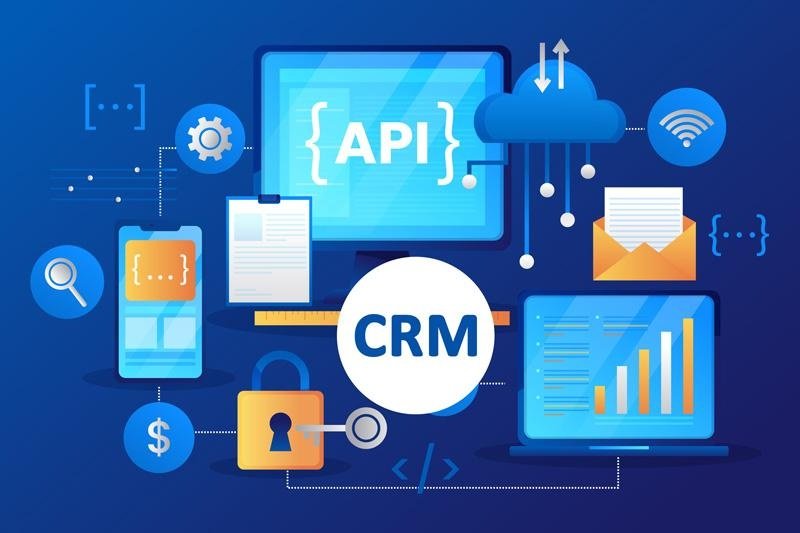
A WhatsApp Broadcast API enables businesses to connect WhatsApp communication with their business systems, marketing platforms, CRM software, websites, chatbots, and automation workflows. Instead of relying entirely on manual conversations, companies can create structured communication processes for customer engagement, notifications, lead nurturing, promotional campaigns, and support.
For businesses looking to improve their digital presence, WhatsApp communication can work alongside SEO, social media marketing, paid advertising, websites, and CRM systems. When these channels are connected properly, businesses can create a smoother customer journey from the first interaction to conversion and retention.
With 15+ years of experience in digital marketing, Saurabh Kumar provides digital marketing and automation solutions designed to help businesses build stronger online customer journeys.
1. What Is WhatsApp Broadcast API?
A WhatsApp Broadcast API is an API-based communication solution that allows businesses to integrate WhatsApp messaging into their applications, CRM systems, websites, marketing platforms, and other business tools.
Unlike basic WhatsApp usage, API-based communication can be incorporated into automated business workflows. For example, when a customer submits an enquiry through a website, the business can create a workflow that sends an appropriate WhatsApp message after the enquiry is received.
Businesses can use API-based WhatsApp communication for several purposes, including:
- Customer notifications
- Lead follow-ups
- Appointment reminders
- Order updates
- Promotional communication
- Customer support
- Lead nurturing
- Marketing automation
- Customer re-engagement
- CRM communication
The important advantage is that WhatsApp communication can become part of a larger digital ecosystem rather than remaining an isolated messaging activity.
A properly planned WhatsApp Broadcast API strategy can connect customer conversations with other digital marketing activities and help businesses manage communication at scale.
2. How WhatsApp Broadcast API Works
The basic concept behind a WhatsApp Broadcast API integration is straightforward.
A business first connects its WhatsApp communication system with an approved API-based setup. The API can then communicate with business software and trigger specific actions based on customer activity.
For example:
Customer submits enquiry → CRM receives lead → Automation identifies lead → WhatsApp message is triggered → Sales team follows up
Another workflow could look like:
Customer places order → Order system updates status → WhatsApp notification is generated → Customer receives update
This process reduces repetitive manual work and gives businesses a more organized way to communicate with customers.
Depending on the business requirements, an API-based system can also be connected with:
- CRM platforms
- Websites
- E-commerce stores
- Lead forms
- Chatbots
- Customer databases
- Marketing automation tools
- Payment or order systems
- Analytics and reporting platforms
The exact setup depends on the business model, technical requirements, customer journey, and messaging needs.
3. WhatsApp Broadcast API vs Regular WhatsApp Messaging
It is important to understand that regular WhatsApp messaging and a WhatsApp Broadcast API serve different business requirements.
A regular WhatsApp account can be useful for direct conversations and smaller-scale communication. However, businesses that receive a large number of enquiries or want to automate communication may need a more structured system.
An API-based setup can provide greater integration possibilities.
| Regular WhatsApp | WhatsApp Broadcast API |
|---|---|
| Primarily manual communication | Supports automated workflows |
| Limited business integrations | Can connect with business systems |
| Suitable for direct conversations | Designed for scalable business communication |
| Manual follow-ups | Automated follow-up possibilities |
| Basic workflow | CRM and automation integration |
| Less suitable for complex processes | Suitable for structured communication |
For a small local business, regular WhatsApp may initially be sufficient. But as enquiries, customers, sales activity, and communication requirements increase, automation becomes increasingly valuable.
The purpose of a WhatsApp Broadcast API should therefore not simply be sending more messages. The real objective should be delivering relevant communication efficiently while maintaining a quality customer experience.
4. Why Businesses Need WhatsApp Broadcast API
Modern customers often expect immediate communication. If a potential customer submits a form and receives no response for several hours, there is a possibility that the customer may contact another business.
A WhatsApp Broadcast API can help businesses respond faster by automating specific stages of the customer journey.
Consider a digital marketing agency receiving leads from Google Ads.
Without automation:
Ad → Lead form → Salesperson checks lead → Manual WhatsApp message → Follow-up
With an automated workflow:
Ad → Lead form → CRM → Automated WhatsApp communication → Sales notification → Follow-up
This doesn’t eliminate the need for salespeople. Instead, it allows the sales team to focus on meaningful conversations rather than repetitive administrative tasks.
Businesses can use API-based WhatsApp communication to improve:
- Response speed
- Lead management
- Customer engagement
- Follow-up consistency
- Communication organization
- Marketing efficiency
- Customer retention
The result can be a more connected digital customer experience.
5. WhatsApp Broadcast API for Lead Generation
Lead generation is one of the most important applications of WhatsApp Broadcast API technology.
Businesses spend money on Google Ads, Meta Ads, SEO, social media, websites, and other marketing channels to generate enquiries. However, generating a lead is only the beginning.
The next challenge is lead nurturing.
Suppose someone fills out a form requesting information about a service. The business can create a communication workflow where the customer receives an appropriate WhatsApp message, while the lead is simultaneously recorded in a CRM.
A lead nurturing sequence may include:
Day 1: Enquiry acknowledgement
Day 2: Helpful information about the service
Day 4: Answer to common customer questions
Day 7: Relevant offer or consultation invitation
This type of structured follow-up can prevent leads from being forgotten.
A WhatsApp Broadcast API can therefore become an important component of a broader lead-generation system.
However, businesses should avoid sending irrelevant or excessive messages. Communication should be useful, expected, compliant, and aligned with applicable WhatsApp policies and customer permissions.
6. WhatsApp Broadcast API for Marketing Campaigns
Marketing is no longer limited to advertisements and social media posts. Businesses increasingly need multiple touchpoints to stay connected with existing customers.
A WhatsApp Broadcast API can support marketing communication such as:
- New product announcements
- Service launches
- Seasonal campaigns
- Event invitations
- Promotional updates
- Special customer offers
- Educational content
- Re-engagement campaigns
For example, an e-commerce business could use WhatsApp communication to notify opted-in customers about a new collection.
A coaching institute could communicate upcoming admission dates.
A healthcare business could send appointment-related reminders and appropriate updates.
A real estate company could communicate new property opportunities to relevant prospects.
The key is segmentation.
Instead of treating every customer identically, businesses can categorize audiences based on their interests, previous interactions, purchase history, location, or lead stage.
This makes WhatsApp Broadcast API communication more relevant and potentially more effective.
7. WhatsApp Broadcast API and CRM Integration
One of the strongest benefits of a WhatsApp Broadcast API is its ability to work with CRM systems.
A CRM stores information about leads and customers. WhatsApp communication, meanwhile, can become an important customer interaction channel.
Connecting the two systems can help businesses create a more complete view of customer activity.
For example:
New Lead → CRM Entry → WhatsApp Message → Sales Follow-Up → Customer Response → CRM Update
This can make the sales process more organized.
CRM integration can also help businesses identify:
- New leads
- Existing customers
- Follow-up requirements
- Interested prospects
- Converted customers
- Inactive leads
- Customer communication history
When WhatsApp and CRM systems work together, the sales team can spend less time searching for information and more time engaging with customers.
For organizations managing a large number of enquiries, a WhatsApp Broadcast API integrated with CRM can become an important part of their customer relationship strategy.
8. WhatsApp Broadcast API for Automated Customer Support
Customer support is another area where WhatsApp Broadcast API solutions can provide significant value.
Customers may have repetitive questions about:
- Business timings
- Pricing
- Services
- Order status
- Appointment availability
- Delivery information
- Booking processes
- Frequently requested information
Businesses can use automation to handle common communication while directing more complex enquiries to human representatives.
For example:
Customer: “What are your working hours?”
Automated system: Provides business hours.
Customer: “I want to discuss a customized package.”
System: Transfers or routes the conversation to the relevant team.
This approach combines automation with human support.
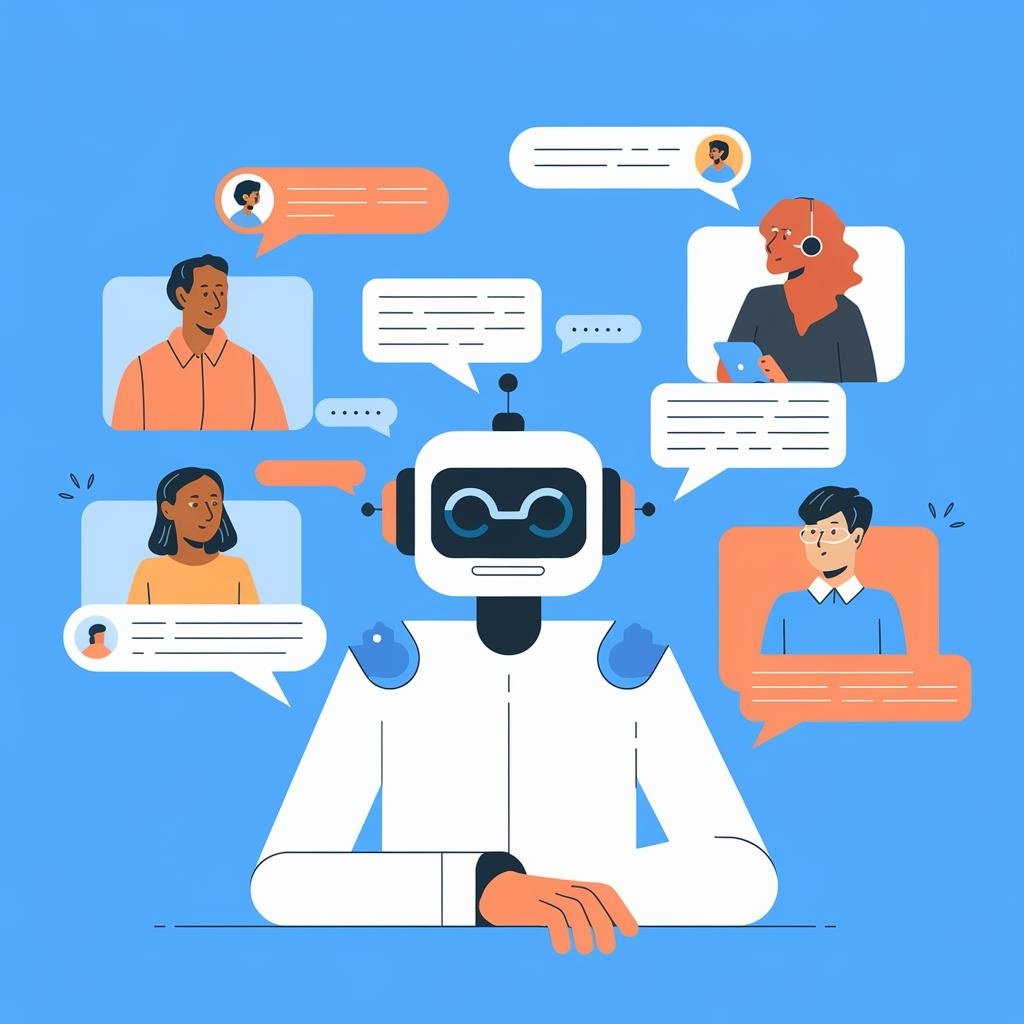
Businesses can also integrate WhatsApp communication with AI chatbots and website live chat systems where appropriate.
A well-designed WhatsApp Broadcast API strategy should not make customer service feel robotic. Automation should remove unnecessary friction while making it easier for customers to reach the right person when human assistance is required.
9. WhatsApp Broadcast API for Customer Retention
Acquiring a new customer often requires considerable marketing investment. Retaining existing customers can therefore be extremely valuable.
A WhatsApp Broadcast API can support customer retention by keeping customers informed and engaged after the initial purchase or enquiry.
Businesses can use structured communication for:
- Product updates
- Service reminders
- Renewal notifications
- Educational tips
- Customer appreciation
- New service announcements
- Relevant recommendations
- Re-engagement campaigns
For example, a service-based company could remind customers when a service renewal is approaching.
An e-commerce company could communicate relevant new products to customers who have previously purchased from the business.
The goal should be to create useful communication rather than simply increasing message frequency.
Customer retention works better when communication provides genuine value.
10. WhatsApp Broadcast API for E-Commerce Businesses
E-commerce companies manage a large amount of customer communication.
A WhatsApp Broadcast API can become useful at several points in the online shopping journey.
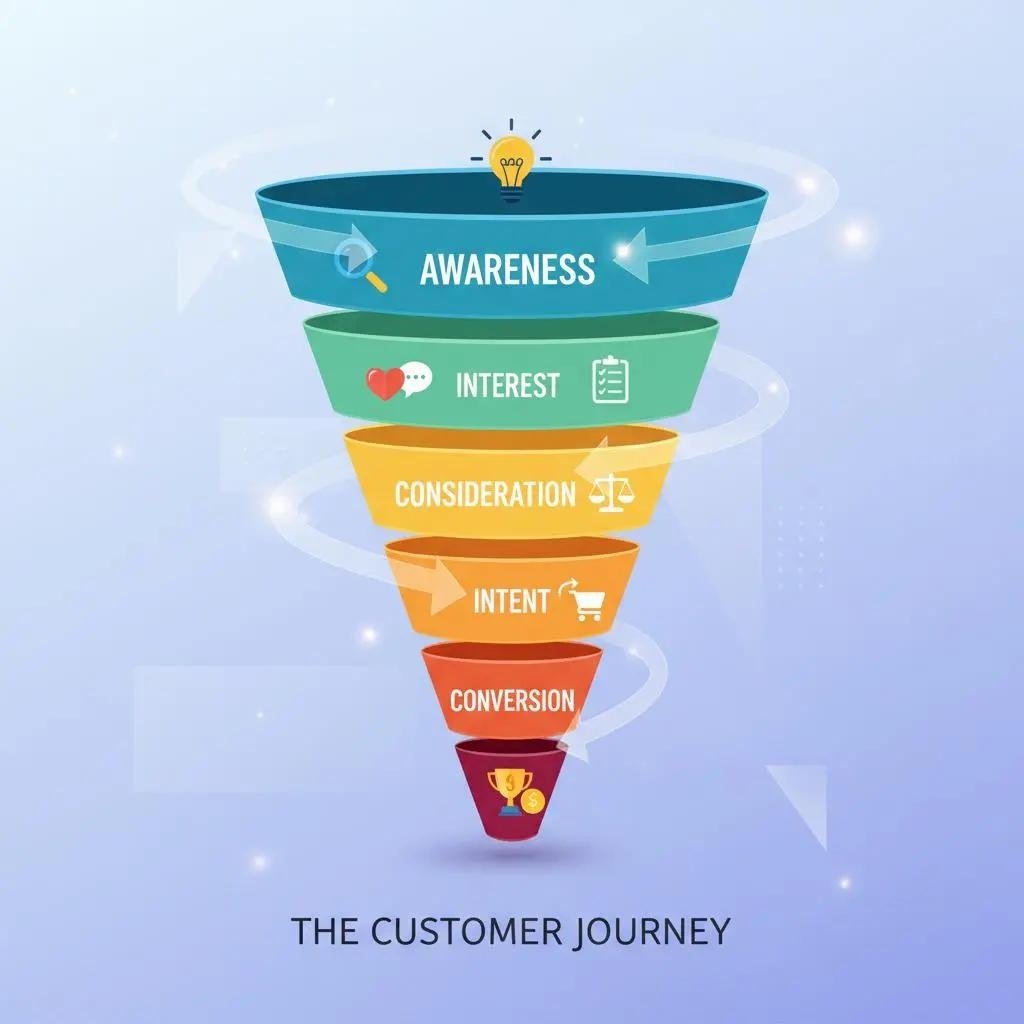
A typical customer journey may include:
Product Discovery → Website Visit → Enquiry → Purchase → Order Confirmation → Shipping Update → Delivery → Feedback → Repeat Purchase
WhatsApp communication can be incorporated into different stages of this journey.
Businesses may use it for transactional notifications, customer support, product-related communication, and permitted marketing campaigns.
For example, after an online purchase, customers may want to know whether their order has been confirmed or shipped.
Providing timely updates can reduce uncertainty and unnecessary support requests.
After delivery, businesses may also invite customers to provide feedback or discover relevant products, where appropriate.
The effectiveness of WhatsApp Broadcast API for e-commerce ultimately depends on customer segmentation, message relevance, timing, integration quality, and overall customer experience.
11. WhatsApp Broadcast API and Marketing Automation
Marketing automation helps businesses create repeatable communication workflows.
Instead of manually performing the same action every time, a business can define conditions and triggers.
For example:
Trigger: Customer fills enquiry form
Action: Add lead to CRM
Action: Send approved WhatsApp communication
Action: Notify sales team
Condition: Customer responds
Action: Assign conversation to salesperson
This can save valuable time for marketing and sales teams.
A WhatsApp Broadcast API can be integrated into broader automation systems involving:
- Email automation
- CRM
- Lead scoring
- Website forms
- SMS
- Chatbots
- Analytics
- Advertising platforms
This creates an interconnected marketing ecosystem.
For businesses that generate hundreds or thousands of leads, automation can also improve consistency. Every eligible lead can enter the appropriate workflow instead of depending entirely on whether an employee remembers to follow up.
12. WhatsApp Broadcast API for Small and Local Businesses
API-based WhatsApp communication isn’t only useful for large organizations.
Local businesses can also benefit when they have recurring customer communication requirements.
Consider businesses such as:
- Dental clinics
- Hospitals and healthcare practices
- Educational institutes
- Real estate companies
- Salons
- Fitness centres
- Restaurants
- Travel agencies
- Automobile businesses
- Professional consultants
- E-commerce stores
- Digital marketing agencies
For example, a clinic could use automated communication for appointment-related updates.
A coaching institute could communicate course information to interested prospects.
A real estate company could nurture property enquiries.
A gym could communicate membership-related updates and relevant offers.
The right WhatsApp Broadcast API implementation depends on the business’s size, communication volume, technical setup, customer expectations, and compliance requirements.
13. WhatsApp Broadcast API for WhatsApp Chatbots
Combining WhatsApp Broadcast API capabilities with chatbot technology can create an even more interactive customer journey.
A chatbot can respond to predefined customer questions and guide users through different options.
For example:
Welcome
“Hi! How can we help you?”
1. Our Services
2. Pricing
3. Book a Consultation
4. Talk to Our Team
Based on the customer’s selection, the system can provide relevant information or route the conversation to a human representative.
AI chatbot integration can also help businesses handle more natural conversations, although businesses should carefully design, test, monitor, and supervise automated systems.
The combination of WhatsApp, chatbot technology, CRM, and automation can reduce repetitive work while helping customers find information more quickly.
For businesses with significant enquiry volumes, this can make the communication process much more scalable.
14. WhatsApp Broadcast API and Bulk Messaging: What Businesses Should Understand
Businesses often use the terms “broadcast,” “bulk messaging,” and “WhatsApp marketing” interchangeably. However, businesses should understand that WhatsApp Business communication is governed by platform rules, messaging policies, template requirements, user permissions, and other applicable restrictions.
A WhatsApp Broadcast API should not be viewed as a tool for sending unlimited unsolicited promotional messages.
Effective communication depends on:
- Customer consent where required
- Relevant messaging
- Appropriate message templates
- Correct audience segmentation
- Frequency control
- Proper business identification
- Compliance with WhatsApp requirements
- Respect for customer preferences
Businesses should prioritize customer experience over message volume.
Sending thousands of irrelevant messages may damage brand reputation and customer trust. A smaller, well-segmented campaign can be much more useful than an unnecessarily large one.
15. Key Benefits of WhatsApp Broadcast API for Businesses
A properly implemented WhatsApp Broadcast API solution can offer several operational and marketing benefits.
Faster Customer Communication
Automated workflows can help businesses respond to eligible customer interactions quickly.
Better Lead Follow-Up
Automated communication can help reduce the possibility of leads being forgotten.
Improved Customer Engagement
WhatsApp can provide a convenient communication channel for customers who already use the platform regularly.
CRM Integration
Businesses can connect communication with customer and lead records.
Marketing Automation
Businesses can create repeatable workflows instead of performing every action manually.
Better Team Productivity
Automation can reduce repetitive administrative work.
Personalized Communication
Segmentation allows businesses to deliver more relevant messages to different customer groups.
Scalable Communication
Businesses can build communication workflows that support growing customer volumes.
The actual results will vary based on the business model, campaign strategy, audience quality, technical implementation, and compliance.
16. How to Build a Successful WhatsApp Broadcast API Strategy
Implementing a WhatsApp Broadcast API is only one part of the process. The overall communication strategy determines how effective the system becomes.
Start by defining the objective.
Do you want to generate leads?
Improve customer support?
Send transactional notifications?
Nurture prospects?
Increase repeat purchases?
Once the objective is clear, map the customer journey.
Step 1: Identify Your Audience
Separate prospects, existing customers, inactive customers, and other relevant groups.
Step 2: Define Communication Triggers
Determine what customer actions should initiate communication.
Step 3: Create Relevant Messages
Messages should be concise, useful, and aligned with the customer’s stage.
Step 4: Connect Your CRM
Store lead and customer information in a structured system.
Step 5: Build Automation
Create workflows for appropriate customer journeys.
Step 6: Segment Your Audience
Different customer groups should receive communication relevant to them.
Step 7: Track Results
Measure delivery, engagement, conversions, responses, and other meaningful business outcomes.
Step 8: Improve Continuously
Use performance data to refine messaging, segmentation, timing, and workflows.
A WhatsApp Broadcast API becomes much more valuable when it is treated as part of a complete marketing and customer communication strategy rather than simply as a bulk messaging tool.
17. WhatsApp Broadcast API with Digital Marketing Services
WhatsApp communication can work especially well when integrated with other digital marketing services.
A customer may discover a business through Google search, see its social media profile, click a paid advertisement, visit its website, submit a lead form, and then communicate through WhatsApp.
This means businesses should think beyond individual marketing channels.
A complete digital marketing strategy may include:
- Website development
- SEO
- Local SEO
- Google Business Profile optimization
- Social media marketing
- Meta Ads
- Google Ads
- YouTube Ads
- Content marketing
- WhatsApp marketing
- CRM integration
- Marketing automation
- Analytics and reporting
For example:
Google Search → Website → Lead Form → CRM → WhatsApp → Sales Team → Conversion
This type of connected customer journey can help businesses manage leads more systematically.
With 15+ years of experience in digital marketing, Saurabh Kumar offers digital marketing and automation solutions for businesses that want to strengthen their online customer acquisition and communication systems.
18. Why Choose Saurabh Kumar for WhatsApp Broadcast API Solutions?
Choosing the right technology partner is important because successful WhatsApp communication requires more than simply connecting an API.
The system should fit the company’s business process.
Saurabh Kumar has 15+ years of experience in digital marketing and provides a broad range of digital solutions that can be connected to customer acquisition and communication workflows.

Website & App Development
- Business Website Development
- E-Commerce Website Development
- Custom Web Applications
- Android & iOS Mobile App Development
- Landing Page Development
- Website Maintenance & Support
SEO Services
- Local SEO
- On-Page SEO
- Off-Page SEO
- Technical SEO
- E-Commerce SEO
- Google Business Profile Optimization
- SEO Audit & Competitor Analysis
Social Media Marketing
- Facebook Marketing
- Instagram Marketing
- LinkedIn Marketing
- YouTube Marketing
- Social Media Management
- Content Creation & Strategy
Paid Advertising
- Meta Ads
- Google Ads
- YouTube Ads
- LinkedIn Ads
- Remarketing Campaigns
- Lead Generation Campaigns
Automation & Communication
- WhatsApp Marketing
- Bulk SMS Marketing
- Voice Call Marketing
- IVR & Promotional Calls
- WhatsApp Chatbot Development
- AI Chatbot Development
- Website Live Chat Integration
- Marketing Automation
- CRM Integration
- Email Marketing Automation
- Lead Nurturing Automation
Creative & Video Services
- Graphic Designing
- Logo Design
- Brand Identity Design
- Banner & Brochure Design
- Video Editing
- Reels Editing
- YouTube Video Editing
- Corporate Videos
- Motion Graphics
- Promotional Videos
Content Marketing
- Content Writing
- Blog Writing
- Website Content Writing
- SEO Content Writing
- Ad Copywriting
Analytics & Reporting
- Google Analytics Setup
- Conversion Tracking
- Performance Reports
- ROI Analysis
Online Reputation Management
- Google Review Management
- Brand Monitoring
- Online Reputation Building
This broad service portfolio allows businesses to consider WhatsApp communication as part of a larger digital strategy.
19. Who Can Benefit from WhatsApp Broadcast API?
Almost any business with recurring customer communication requirements can explore WhatsApp Broadcast API solutions.
Healthcare
Clinics and healthcare businesses can use appropriate communication workflows for appointment-related information, reminders, and customer support.
Education
Schools, colleges, coaching institutes, and training companies can communicate relevant course and admission information.
Real Estate
Property businesses can nurture enquiries and communicate relevant project information.
E-Commerce
Online businesses can use WhatsApp communication throughout the customer journey.
Hospitality
Hotels, travel companies, and tourism businesses can use messaging for customer communication and booking-related interactions.
Professional Services
Consultants, agencies, financial service providers, and other professionals can use structured communication for enquiries and follow-ups, subject to applicable rules.
Local Businesses
Gyms, salons, restaurants, automobile businesses, and other local companies can use communication automation to maintain stronger customer relationships.
The most suitable approach depends on the business’s audience, customer journey, communication volume, and objectives.
20. Common Mistakes Businesses Should Avoid with WhatsApp Broadcast API
A WhatsApp Broadcast API can be powerful, but poor implementation can negatively affect customer experience.
Sending Irrelevant Messages
Not every customer is interested in every offer. Audience segmentation is essential.
Over-Messaging
Too many messages can frustrate customers and reduce engagement.
Ignoring Customer Preferences
Businesses should respect applicable opt-in, opt-out, and messaging requirements.
Using Generic Communication
Personalized and relevant communication is usually more useful than identical messages for everyone.
No CRM Integration
Sending messages without maintaining organized customer information can create operational confusion.
No Follow-Up Process
A message is not always enough. Businesses should define what happens when a customer responds.
Focusing Only on Message Volume
More messages do not automatically mean better marketing.
The goal should be to create meaningful customer interactions that support measurable business objectives.
21. Measuring the Performance of WhatsApp Broadcast API Campaigns
Businesses should measure the performance of their WhatsApp Broadcast API campaigns instead of relying only on the number of messages sent.
Useful performance indicators can include:
- Messages delivered
- Customer responses
- Lead enquiries
- Qualified leads
- Appointment bookings
- Sales conversions
- Customer retention
- Response time
- Campaign-level conversion
- Cost per acquisition
- Revenue generated
For example, a business may discover that a smaller, highly targeted campaign generates more qualified leads than a much larger generic campaign.
Analytics can help identify which messages, audiences, workflows, and customer journeys produce better outcomes.
Integration with CRM and analytics systems can make this measurement more meaningful because businesses can connect communication activity with actual sales outcomes.
22. Future of WhatsApp Broadcast API and Business Communication
Business communication is becoming increasingly automated, personalized, and interconnected.
The future will likely involve stronger connections between messaging platforms, CRM systems, artificial intelligence, websites, analytics, and marketing automation.
Businesses will increasingly expect systems that can:
- Capture leads automatically
- Categorize prospects
- Respond to common queries
- Notify sales teams
- Send relevant communication
- Track customer interactions
- Identify opportunities
- Support customer retention
This makes WhatsApp Broadcast API technology relevant for businesses that want to build scalable communication processes.
However, automation should not replace strategy. Technology is most effective when it supports a clear customer journey.
Businesses should focus on delivering the right communication to the right customer at the right stage, while following applicable platform rules and customer preferences.
Conclusion: Build Smarter Customer Communication with WhatsApp Broadcast API
Customer communication is now an important part of digital marketing. Businesses cannot rely only on advertising to generate growth. They also need efficient systems for responding to enquiries, nurturing leads, supporting customers, and maintaining long-term relationships.
A WhatsApp Broadcast API can help businesses connect WhatsApp communication with CRM systems, websites, chatbots, marketing automation platforms, and other business applications.
From lead generation and follow-ups to customer support, e-commerce communication, retention, and marketing automation, API-based WhatsApp solutions can support multiple stages of the customer journey.
However, successful implementation depends on much more than sending messages. Audience segmentation, useful content, appropriate automation, CRM integration, analytics, customer consent, and compliance all matter.
If your business is looking to combine WhatsApp marketing with SEO, website development, paid advertising, social media marketing, CRM integration, chatbot development, and marketing automation, an integrated digital strategy can help create a more connected customer journey.
With 15+ years of experience in digital marketing, Saurabh Kumar provides digital marketing, automation, communication, creative, development, SEO, advertising, and reputation management solutions for businesses.
Contact: +91 76966 77728
Official Address:
S15-00709, Vaidehi Niwas, Bhairomunna Link Road
Sahnewal, Ludhiana, Punjab – 141120
Ready to Improve Your Business Communication?
Whether you need WhatsApp Broadcast API, WhatsApp marketing, chatbot development, CRM integration, lead nurturing automation, SEO, website development, paid advertising, or complete digital marketing support, the right strategy can help your business build stronger connections with customers.
Get in touch with Saurabh Kumar to discuss your digital marketing and automation requirements.