Healthcare has rapidly embraced digital transformation over the last few years. Patients today expect quick responses, seamless appointment scheduling, instant access to medical information, and personalized communication from hospitals and clinics. This is where WhatsApp API for Healthcare has become one of the most powerful communication tools for modern healthcare organizations.
Unlike traditional communication methods such as phone calls, SMS, or emails, WhatsApp API for Healthcare allows hospitals, diagnostic centers, clinics, pharmacies, and healthcare providers to communicate with patients instantly through the world’s most popular messaging platform.
From appointment reminders and prescription notifications to laboratory reports and patient support, WhatsApp API for Healthcare improves operational efficiency while delivering an exceptional patient experience.
In this comprehensive guide, you’ll discover everything about WhatsApp API for Healthcare, including its benefits, features, implementation process, real-world applications, best practices, and why it is becoming an essential solution for healthcare organizations worldwide.
What is WhatsApp API for Healthcare?
WhatsApp API for Healthcare is a professional messaging solution designed specifically for hospitals, clinics, laboratories, pharmacies, telemedicine providers, and healthcare businesses to communicate securely and efficiently with patients.
Unlike the standard WhatsApp Business App, the WhatsApp Business API supports automation, CRM integration, multiple agents, AI chatbots, appointment scheduling, patient notifications, and personalized communication at scale.
Healthcare providers can use WhatsApp API for Healthcare to send:
- Appointment confirmations
- Appointment reminders
- Prescription refill reminders
- Lab report notifications
- Vaccination reminders
- Billing updates
- Patient education messages
- Emergency alerts
- Follow-up consultations
- Feedback requests
Since WhatsApp has billions of active users globally, patients are already comfortable using the platform, making communication faster and more effective.
Why Healthcare Needs Better Patient Communication
Patient communication directly impacts healthcare outcomes. Missed appointments, delayed responses, forgotten medications, and poor follow-ups often lead to dissatisfaction and reduced treatment success.
Many healthcare organizations still rely on manual phone calls and traditional SMS, which are expensive, time-consuming, and difficult to manage.
Modern patients expect:
- Instant responses
- Easy appointment booking
- Quick report delivery
- Personalized reminders
- Secure communication
- Digital healthcare support
- Convenient messaging
This is exactly why WhatsApp API for Healthcare has become an essential technology for healthcare providers looking to enhance patient engagement.
Why WhatsApp is the Preferred Communication Platform
WhatsApp has transformed the way people communicate worldwide. Patients already use WhatsApp every day to stay connected with family and friends, making it a familiar platform for healthcare communication.
Some major advantages include:
- Fast message delivery
- High open rates
- Rich media support
- Secure messaging
- Easy document sharing
- Voice notes
- Images
- Videos
- Location sharing
- Interactive buttons
Compared to traditional email marketing, WhatsApp messages often receive significantly higher engagement rates.
Healthcare organizations benefit because patients are more likely to read and respond to WhatsApp messages promptly.
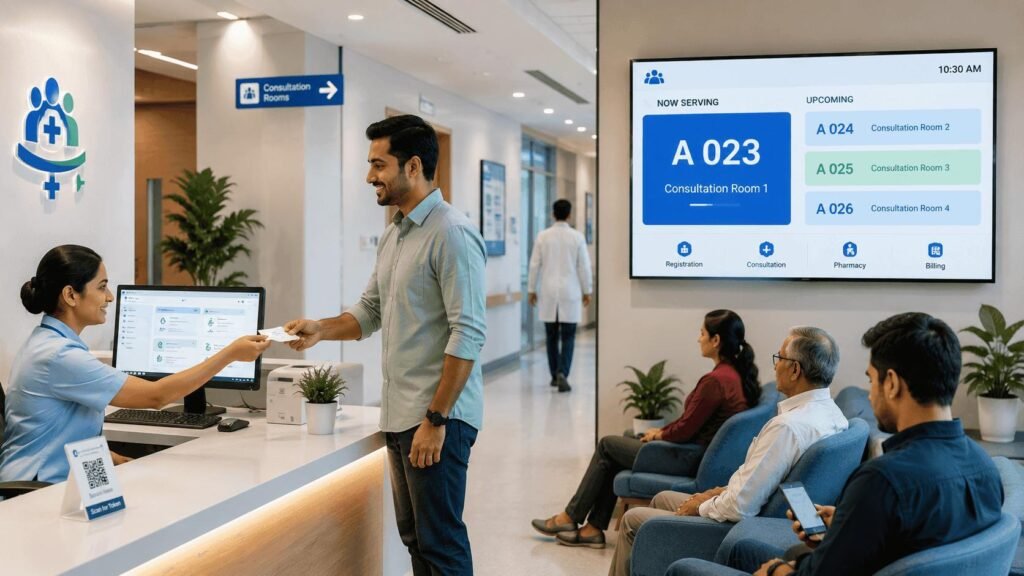
Key Features of WhatsApp API for Healthcare
1. Automated Appointment Reminders
One of the biggest challenges hospitals face is missed appointments.
With WhatsApp API for Healthcare, automated reminders can be sent:
- 7 days before
- 2 days before
- 24 hours before
- 2 hours before
Patients can also confirm, cancel, or reschedule appointments directly from WhatsApp.
Benefits include:
- Reduced no-shows
- Better doctor scheduling
- Increased revenue
- Improved patient satisfaction
2. Online Appointment Booking
Patients no longer need to call hospitals repeatedly.
Using WhatsApp API for Healthcare, patients can:
- Book appointments
- Choose doctors
- Select departments
- Pick available slots
- Receive confirmation instantly
This reduces administrative workload while improving patient convenience.
3. Laboratory Report Notifications
Waiting for lab reports often creates anxiety for patients.
Healthcare organizations can automatically notify patients when reports are ready.
Patients receive:
- Secure download links
- PDF reports
- Test summaries
- Doctor recommendations
- Follow-up instructions
This significantly reduces unnecessary phone inquiries.
4. Prescription Refill Reminders
Medication adherence is crucial for chronic disease management.
With WhatsApp API for Healthcare, automated reminders ensure patients refill prescriptions on time.
Examples include:
- Diabetes medication
- Blood pressure medicine
- Thyroid medication
- Heart disease prescriptions
- Vitamin supplements
Timely reminders help improve treatment outcomes.
5. Vaccination Reminders
Hospitals and pediatric clinics can automatically send reminders for:
- Child immunization
- COVID vaccination
- Flu shots
- Booster doses
- Travel vaccines
Parents appreciate receiving timely reminders without needing to remember complicated schedules.
Benefits of WhatsApp API for Healthcare
Improved Patient Experience
Patients appreciate quick, convenient communication.
Instead of waiting on hold, they receive instant updates directly on WhatsApp.
This creates a smoother healthcare journey from appointment booking to post-treatment follow-up.
Higher Appointment Attendance
Automated reminders reduce missed appointments, helping doctors maintain productive schedules while improving clinic efficiency.
Faster Communication
Important updates reach patients within seconds.
Whether it’s a diagnostic report or emergency notification, WhatsApp ensures timely delivery.
Lower Operational Costs
Automating routine communication reduces the need for manual phone calls, saving staff time and operational expenses.
Better Patient Engagement
Interactive messaging encourages patients to ask questions, confirm appointments, and stay involved in their care, strengthening the relationship between healthcare providers and patients.
6. AI Chatbots Powered by WhatsApp API for Healthcare
Healthcare organizations receive hundreds—even thousands—of patient inquiries every day. Questions about appointment availability, consultation fees, clinic timings, insurance, prescription refills, and diagnostic services can overwhelm front-desk staff.
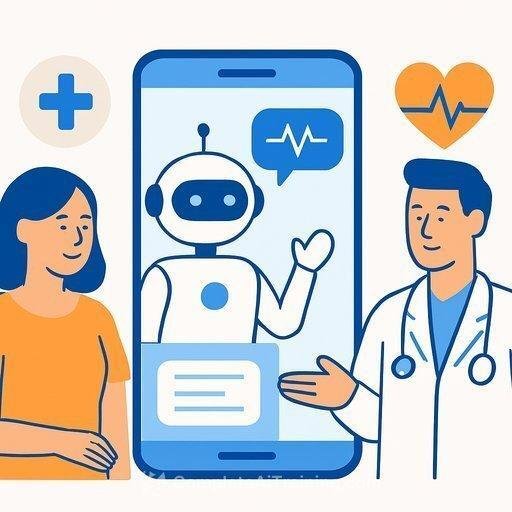
By integrating an AI chatbot with WhatsApp API for Healthcare, these repetitive tasks can be handled automatically, allowing staff to focus on patient care.
An AI healthcare chatbot can:
- Answer frequently asked questions instantly
- Book and reschedule appointments
- Share doctor availability
- Provide clinic timings and locations
- Send consultation fee details
- Help patients locate departments
- Share health packages and offers
- Route emergency inquiries to the right department
- Connect patients with a live executive when required
Since the chatbot operates 24/7, patients receive assistance anytime—even outside clinic hours.
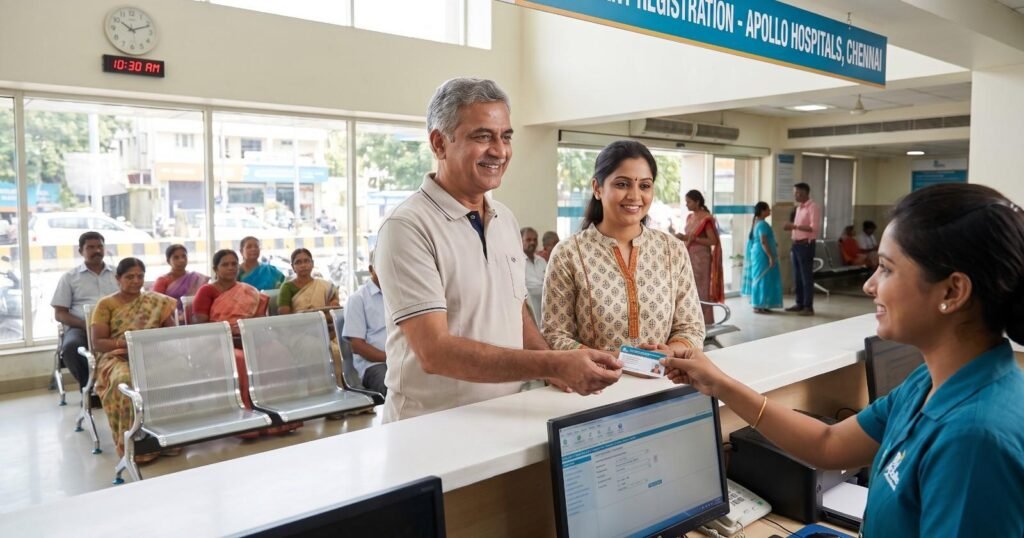
7. CRM Integration with WhatsApp API for Healthcare
One of the biggest strengths of WhatsApp API for Healthcare is its ability to integrate seamlessly with Customer Relationship Management (CRM) systems.
Instead of maintaining separate communication records, hospitals can keep all patient interactions organized in one place.
CRM integration enables healthcare providers to:
- Access complete patient communication history
- Track appointments and follow-ups
- Store consultation records securely
- Monitor treatment progress
- Automate personalized communication
- Segment patients based on treatments or specialties
- Improve long-term patient relationships
This centralized approach enhances efficiency while delivering a more personalized patient experience.
8. Multi-Agent Support for Hospitals and Clinics
Unlike the regular WhatsApp Business App, WhatsApp API for Healthcare allows multiple authorized staff members to manage patient conversations simultaneously.
This feature is especially valuable for:
- Multi-specialty hospitals
- Diagnostic laboratories
- Dental clinics
- IVF centers
- Eye hospitals
- Physiotherapy clinics
- Mental health practices
- Large healthcare groups
Different departments can handle inquiries without confusion.
For example:
- Reception manages appointments.
- Billing answers payment queries.
- Laboratory sends test reports.
- Pharmacy shares medicine availability.
- Customer support handles general inquiries.
Patients receive faster and more accurate responses.
9. Telemedicine Made Easier
Virtual consultations have become an important part of modern healthcare.
WhatsApp API for Healthcare supports telemedicine by simplifying communication before, during, and after online consultations.
Healthcare providers can:
- Share consultation links
- Send appointment reminders
- Verify patient details
- Collect medical history forms
- Deliver prescriptions digitally
- Share follow-up instructions
- Send invoices and payment confirmations
This creates a smooth digital healthcare experience while reducing administrative work.
10. Secure Document Sharing
Healthcare organizations frequently exchange important documents with patients.
Using WhatsApp API for Healthcare, providers can securely share:
- Laboratory reports
- Medical prescriptions
- Diagnostic images
- Health records
- Discharge summaries
- Billing invoices
- Insurance documents
- Consent forms
Quick access to these documents improves patient convenience and reduces paperwork.
11. Patient Feedback Collection
Patient feedback helps hospitals identify strengths and areas for improvement.
Instead of lengthy surveys, healthcare providers can automatically send a simple feedback request after a consultation.
Example:
“Thank you for visiting our clinic. We’d love to hear about your experience. Please rate your visit from 1 to 5.”
This approach often leads to higher response rates because patients can respond directly within WhatsApp.
Collected feedback can improve service quality, strengthen patient trust, and support online reputation management.
12. Health Awareness Campaigns
Beyond individual patient communication, WhatsApp API for Healthcare can also be used for educational outreach.
Healthcare providers can share:
- Seasonal health tips
- Wellness campaigns
- Nutrition advice
- Vaccination awareness
- Women’s health information
- Childcare guidance
- Diabetes management tips
- Heart health recommendations
- Mental wellness resources
Providing valuable information keeps patients engaged and positions the organization as a trusted healthcare partner.
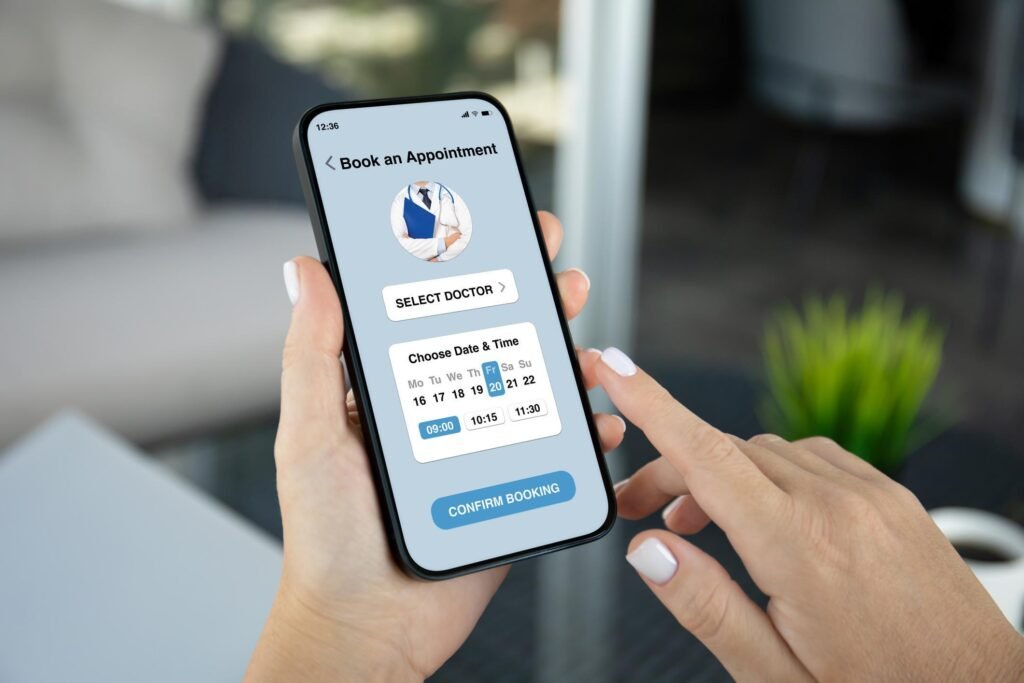
Real-World Use Cases of WhatsApp API for Healthcare
Healthcare organizations across specialties can benefit from WhatsApp API for Healthcare.
Hospitals
Hospitals can automate appointment reminders, admission updates, discharge instructions, billing notifications, and patient support.
Dental Clinics
Dental practices can send oral hygiene tips, appointment confirmations, treatment plans, and post-procedure care instructions.
Diagnostic Laboratories
Labs can notify patients when reports are ready, share secure report links, and answer common testing questions.
Pharmacies
Pharmacies can remind patients about prescription refills, confirm medicine availability, and notify customers when orders are ready.
IVF and Fertility Clinics
Fertility centers can automate consultation reminders, treatment schedules, medication instructions, and patient follow-ups while maintaining personalized communication.
Mental Health Clinics
Counseling centers can provide session reminders, therapy resources, wellness tips, and confidential follow-up communication.
Physiotherapy Centers
Physiotherapists can share exercise videos, rehabilitation schedules, appointment reminders, and progress updates.
How WhatsApp API for Healthcare Improves Patient Satisfaction
Patient satisfaction depends not only on medical expertise but also on communication.
With WhatsApp API for Healthcare, patients receive:
- Faster responses
- Timely reminders
- Convenient appointment management
- Easy access to reports
- Personalized follow-ups
- Better support throughout their healthcare journey
When communication becomes simple and reliable, patients are more likely to return and recommend the healthcare provider to others.
Case Study Example
Imagine a multi-specialty clinic that receives over 300 appointment requests every day.
Before implementing WhatsApp API for Healthcare, staff spent hours:
- Answering phone calls
- Confirming appointments
- Sending manual reminders
- Responding to common questions
- Sharing lab report updates
After implementing the API:
- Appointment reminders became fully automated.
- Patients confirmed or rescheduled visits through WhatsApp.
- Routine questions were answered instantly by an AI chatbot.
- Lab reports were shared securely.
- Administrative workload was significantly reduced.
- Patient satisfaction improved because responses became faster and more consistent.
This illustrates how automation can enhance both operational efficiency and the overall patient experience.
How to Implement WhatsApp API for Healthcare
Implementing WhatsApp API for Healthcare involves more than simply creating a WhatsApp Business account. A well-planned implementation ensures smooth communication, better patient experiences, and efficient internal workflows.
Step 1: Define Your Communication Goals
Start by identifying what you want to achieve with the API.
Common goals include:
- Reducing missed appointments
- Improving patient engagement
- Automating appointment reminders
- Delivering laboratory reports
- Sharing prescriptions
- Providing 24/7 patient support
- Generating new patient leads
- Enhancing post-treatment follow-ups
Having clear objectives helps you choose the right automation strategy.
Step 2: Choose a Reliable WhatsApp API Solution
Select a trusted WhatsApp Business API provider or implementation partner who understands healthcare workflows.
Look for features such as:
- Multi-user access
- CRM integration
- AI chatbot support
- Broadcast messaging
- Analytics dashboard
- Automation workflows
- Secure document sharing
- Scalability
A reliable solution should grow with your healthcare organization.
Step 3: Integrate Your Existing Systems
The real value of WhatsApp API for Healthcare comes from integrating it with your existing systems.
Common integrations include:
- Hospital Management System (HMS)
- Electronic Medical Records (EMR)
- Electronic Health Records (EHR)
- CRM software
- Appointment booking platforms
- Billing systems
- Laboratory management software
- Pharmacy management software
Integration reduces manual work and keeps patient information synchronized.
Step 4: Build Automated Workflows
Create automation for repetitive communication.
Examples include:
Appointment Workflow
Patient books appointment
↓
Confirmation message
↓
Reminder after booking
↓
24-hour reminder
↓
2-hour reminder
↓
Post-visit feedback request
Diagnostic Workflow
Test booked
↓
Sample collected
↓
Report ready notification
↓
Doctor consultation reminder
Pharmacy Workflow
Prescription received
↓
Medicine prepared
↓
Pickup notification
↓
Refill reminder
These workflows save time while improving patient satisfaction.
Best Practices for Using WhatsApp API for Healthcare
To maximize results, healthcare providers should follow these best practices.
Obtain Patient Consent
Always ensure patients have agreed to receive WhatsApp communications.
Consent builds trust and helps maintain compliance with applicable privacy regulations.
Personalize Every Message
Avoid sending generic notifications.
Instead of:
“Your appointment is tomorrow.”
Use:
“Hello Sarah, your appointment with Dr. Sharma is scheduled for tomorrow at 10:30 AM.”
Personalization improves engagement and makes communication feel more human.
Keep Messages Clear and Concise
Healthcare information should be easy to understand.
Avoid complicated medical terminology whenever possible.
Patients appreciate simple, actionable communication.
Respond Promptly
Automation handles routine questions, but complex inquiries should quickly reach a trained staff member.
Fast responses improve patient confidence and satisfaction.
Monitor Performance
Track important metrics such as:
- Message delivery rate
- Read rate
- Response rate
- Appointment confirmations
- Appointment cancellations
- Patient satisfaction
- Average response time
- Chatbot resolution rate
Continuous monitoring helps optimize communication strategies.
Common Mistakes to Avoid
Even the best technology can underperform if used incorrectly.
Avoid these common mistakes when implementing WhatsApp API for Healthcare.
Sending Too Many Messages
Excessive messaging can overwhelm patients and reduce engagement.
Only send messages that provide real value.
Ignoring Personalization
Patients respond better when communication feels tailored to their needs.
Use names, appointment details, and relevant information whenever appropriate.
Lack of Automation
Manual messaging becomes inefficient as patient volume grows.
Automating repetitive tasks saves time and reduces human error.
No Integration with Existing Systems
Without integration, staff may need to enter the same information multiple times.
Integrated systems improve efficiency and accuracy.
Delayed Responses
Patients expect timely communication.
Combine AI automation with live support to ensure important queries receive prompt attention.
The Future of WhatsApp API for Healthcare
Healthcare communication continues to evolve rapidly.
In the coming years, WhatsApp API for Healthcare is expected to support even more advanced capabilities, including:
AI-Powered Virtual Health Assistants
AI assistants will help patients:
- Check symptoms
- Schedule appointments
- Receive medication reminders
- Find nearby healthcare services
- Access health education resources
Voice-Based Conversations
Patients may interact using voice messages instead of typing, making communication more accessible for elderly users and those with limited digital literacy.
Smarter Personalization
Future systems will deliver highly personalized health recommendations based on:
- Medical history
- Age
- Lifestyle
- Previous consultations
- Medication schedules
Remote Patient Monitoring
Wearable devices and health apps may integrate with WhatsApp API for Healthcare to automatically notify patients and providers about important health updates.
Enhanced Automation
Future workflows could automatically coordinate:
- Appointment scheduling
- Billing
- Insurance updates
- Follow-up care
- Preventive health reminders
This will further improve operational efficiency while enhancing patient care.
Why Healthcare Providers Should Invest Now
Patient expectations are changing rapidly.
Healthcare organizations that continue relying only on phone calls and traditional communication methods may struggle to meet modern expectations.
Investing in WhatsApp API for Healthcare today can help organizations:
- Improve patient engagement
- Reduce administrative workload
- Increase operational efficiency
- Enhance patient satisfaction
- Strengthen long-term patient relationships
- Support digital transformation initiatives
Early adoption also provides a competitive advantage in an increasingly digital healthcare landscape.
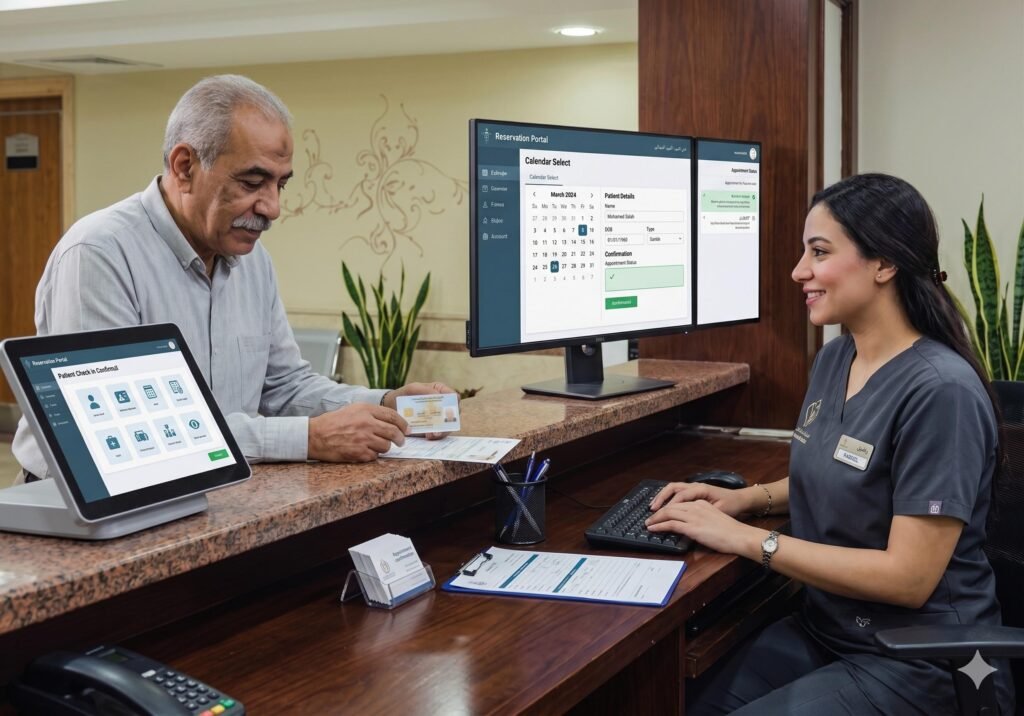
Frequently Asked Questions (FAQs)
1. What is WhatsApp API for Healthcare?
WhatsApp API for Healthcare is a business messaging solution that enables hospitals, clinics, laboratories, pharmacies, and healthcare providers to automate patient communication, appointment reminders, notifications, and customer support through WhatsApp.
2. Is WhatsApp API suitable for small clinics?
Yes. Small clinics, diagnostic centers, dental practices, and individual healthcare professionals can use it to automate communication and improve patient service.
3. Can WhatsApp API send appointment reminders automatically?
Yes. Appointment reminders can be scheduled automatically, reducing missed appointments and improving clinic efficiency.
4. Can patients receive reports through WhatsApp?
Yes. Healthcare providers can securely share laboratory reports, prescriptions, invoices, and other approved documents using WhatsApp API for Healthcare.
5. Can WhatsApp API integrate with hospital software?
Yes. It can integrate with CRM systems, Hospital Management Systems (HMS), Electronic Medical Records (EMR), Electronic Health Records (EHR), appointment scheduling software, billing platforms, and more.
6. Is WhatsApp API useful for telemedicine?
Absolutely. It simplifies appointment scheduling, consultation reminders, document sharing, and post-consultation follow-ups, making virtual care more convenient for both providers and patients.
Conclusion
The healthcare industry is rapidly embracing digital communication, and WhatsApp API for Healthcare has emerged as one of the most effective tools for improving patient engagement and streamlining operations. From appointment scheduling and automated reminders to AI-powered support and secure document sharing, it enables healthcare providers to deliver faster, more personalized, and more convenient patient experiences.
Whether you’re running a small clinic, a multi-specialty hospital, a diagnostic laboratory, a pharmacy, or a telemedicine platform, implementing WhatsApp API for Healthcare can help you reduce administrative workload, minimize missed appointments, strengthen patient relationships, and improve overall operational efficiency.
As patient expectations continue to evolve, healthcare organizations that invest in intelligent communication solutions today will be better positioned to provide exceptional care tomorrow. A well-planned WhatsApp API strategy not only enhances service quality but also contributes to long-term business growth and patient loyalty.
Why Choose Digital Marketing India for WhatsApp API for Healthcare?
Implementing WhatsApp API for Healthcare requires more than just technical setup—it demands expertise in automation, CRM integration, workflow optimization, and digital communication strategies.
At Digital Marketing India, we help healthcare businesses build scalable and customized WhatsApp solutions that improve patient communication and operational efficiency.
Our team works with:
- Hospitals
- Multi-specialty clinics
- Dental clinics
- Diagnostic laboratories
- IVF & fertility centers
- Eye hospitals
- Physiotherapy clinics
- Mental health professionals
- Pharmacies
- Telemedicine providers
We understand the unique communication needs of healthcare organizations and create automation workflows that deliver measurable results.
Our Services
Digital Marketing India provides comprehensive digital solutions for healthcare and other industries.
🌐 Website & App Development
- Business Website Development
- E-Commerce Website Development
- Custom Web Applications
- Mobile App Development (Android & iOS)
- Landing Page Development
- Website Maintenance & Support
🔍 SEO Services
- Local SEO
- On-Page SEO
- Off-Page SEO
- Technical SEO
- E-Commerce SEO
- Google Business Profile Optimization
- SEO Audit & Competitor Analysis
📱 Social Media Marketing
- Facebook Marketing
- Instagram Marketing
- LinkedIn Marketing
- YouTube Marketing
- Social Media Management
- Content Creation & Strategy
🎯 Paid Advertising
- Google Ads
- Meta Ads
- YouTube Ads
- LinkedIn Ads
- Remarketing Campaigns
- Lead Generation Campaigns
🤖 Automation & Communication Solutions
- WhatsApp API Integration
- WhatsApp Marketing
- WhatsApp Chatbot Development
- AI Chatbot Development
- CRM Integration
- Marketing Automation
- Bulk SMS Marketing
- Voice Call Marketing (IVR)
- Website Live Chat Integration
- Email Marketing Automation
- Lead Nurturing Automation
🎨 Creative Services
- Graphic Designing
- Social Media Creatives
- Logo Design
- Banner Design
- Brochure Design
- Brand Identity Design
🎬 Video Production
- Video Editing
- Reels Editing
- YouTube Video Editing
- Motion Graphics
- Corporate Videos
- Promotional Videos
✍️ Content Marketing
- SEO Content Writing
- Blog Writing
- Website Content Writing
- Ad Copywriting
- Content Strategy
📊 Analytics & Reporting
- Google Analytics Setup
- Conversion Tracking
- Performance Reports
- ROI Analysis
⭐ Online Reputation Management
- Google Review Management
- Brand Monitoring
- Online Reputation Building
About Saurabh Kumar
Saurabh Kumar is a digital marketing professional with 15+ years of experience helping businesses establish a strong online presence and generate measurable growth through result-oriented digital strategies.
His expertise includes:
- Healthcare Digital Marketing
- SEO & Local SEO
- Google Business Profile Optimization
- Website Development
- WhatsApp API Integration
- CRM Automation
- AI Chatbot Development
- Lead Generation
- Performance Marketing
- Marketing Automation
- Content Marketing
- Online Reputation Management
Over the years, he has helped businesses leverage modern digital technologies to increase visibility, improve customer engagement, and drive sustainable growth.

Contact Information
Saurabh Kumar
15+ Years Experience in Digital Marketing
Digital Marketing India
Official Address:
S15-00709, Vaidehi Niwas,
Bhairomunna Link Road,
Sahnewal, Ludhiana, Punjab – 141120
Contact:
📞 +91 76966 77728
Call to Action
Ready to transform your patient communication with WhatsApp API for Healthcare?
Whether you want to automate appointment reminders, integrate your CRM, build AI-powered healthcare chatbots, improve patient engagement, or streamline your communication workflows, Digital Marketing India can help you implement a tailored solution that fits your organization’s needs.
Get in touch with Saurabh Kumar today to discover how a customized WhatsApp API for Healthcare solution can improve efficiency, enhance patient satisfaction, and accelerate your healthcare organization’s digital transformation.
Internal Linking Suggestions (SEO)
Link this article to the following pages on your website:
- WhatsApp Marketing Services
- AI Chatbot Development
- CRM Integration Services
- Healthcare Digital Marketing
- Google Business Profile Optimization
- Local SEO Services
- Website Development Services
- Marketing Automation
- Content Marketing Services
- Lead Generation Services
Image SEO (Alt Text Suggestions)
Use these optimized alt texts for images in the blog:
- WhatsApp API for Healthcare dashboard
- Hospital using WhatsApp API for patient communication
- WhatsApp appointment reminder for healthcare
- Healthcare chatbot on WhatsApp
- CRM integration with WhatsApp API
- Doctor sending prescription via WhatsApp
- Patient communication using WhatsApp API
- WhatsApp Business API for hospitals
- Healthcare automation workflow
- Digital patient engagement through WhatsApp
FAQ Schema Suggestions
To improve your chances of earning rich results in Google Search, mark these questions with FAQ structured data on the page:
- What is WhatsApp API for Healthcare?
- How does WhatsApp API help hospitals?
- Can clinics use WhatsApp API?
- Is WhatsApp API suitable for telemedicine?
- Can WhatsApp API integrate with hospital management software?
- Does WhatsApp API improve patient engagement?
- Can WhatsApp API automate appointment reminders?
- Is WhatsApp API secure for healthcare communication?