
Introduction
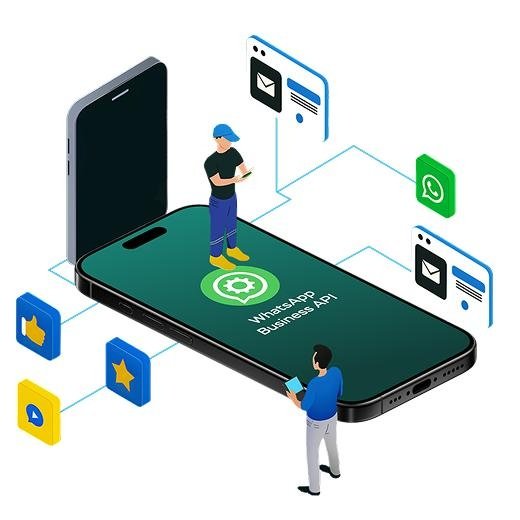
Building customer trust is one of the most important priorities for modern businesses. As more services move online, customers expect secure, quick, and hassle-free ways to create accounts, log in, and complete transactions. Whether you operate an e-commerce store, a healthcare platform, a fintech company, an educational portal, or any other digital business, verifying customer identities has become an essential part of delivering a safe user experience. This is where the WhatsApp Verification API has emerged as a reliable and efficient solution.
The WhatsApp Verification API allows businesses to authenticate users by sending one-time passwords (OTPs) and verification codes directly through WhatsApp. Since WhatsApp is one of the most widely used messaging applications worldwide, customers are already familiar with the platform and regularly check their messages. This familiarity helps businesses provide a smoother verification experience compared to traditional SMS-based authentication.
One of the biggest advantages of the WhatsApp Verification API is its speed. Verification messages are typically delivered within seconds, enabling users to complete registration, login, password reset, or transaction verification without unnecessary delays. Faster verification reduces user frustration and minimizes the chances of customers abandoning the process midway, ultimately leading to better conversion rates and improved customer satisfaction.
Security is another major reason businesses are adopting the WhatsApp Verification API. Cyber threats, identity theft, and fraudulent account creation have become increasingly common in the digital landscape. By delivering secure verification codes through WhatsApp’s encrypted messaging platform, businesses can add an extra layer of protection to customer accounts. This not only safeguards sensitive information but also strengthens customer confidence in the brand’s commitment to security.
Unlike conventional SMS verification, which may experience delivery delays or carrier-related issues, WhatsApp verification often provides higher delivery reliability in many regions. Customers receive notifications instantly within an application they already use every day, making the authentication process more convenient and dependable. Businesses also benefit from reduced failed verification attempts, resulting in a more efficient onboarding process.
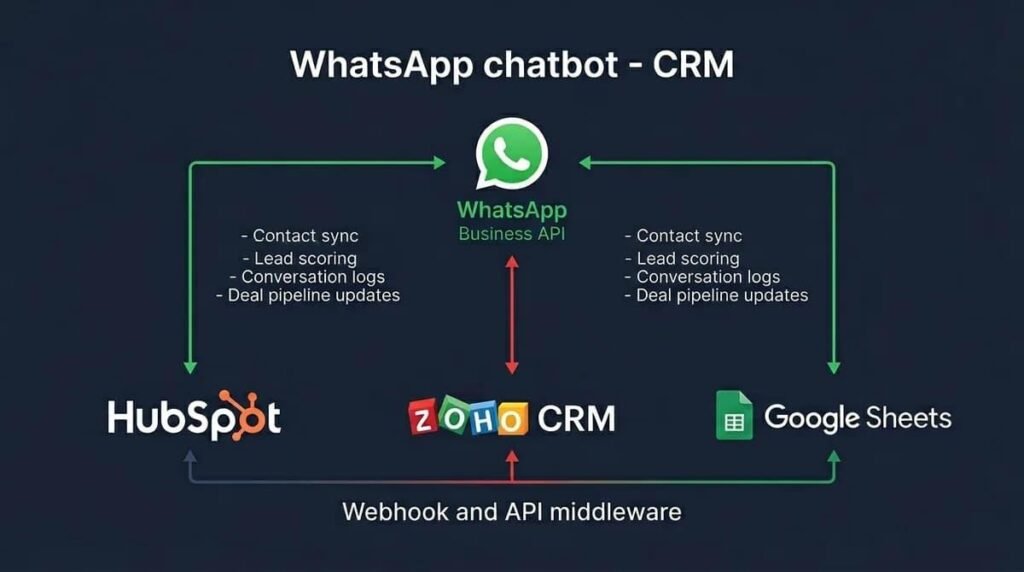
The WhatsApp Verification API is highly versatile and can be integrated into websites, mobile applications, customer portals, CRM systems, and enterprise software. Once integrated, the entire verification workflow becomes automated, reducing manual intervention and improving operational efficiency. Businesses can customize verification messages while maintaining brand consistency and complying with WhatsApp’s official messaging guidelines.
Many industries are already benefiting from this technology. E-commerce businesses use it to verify new customer registrations and confirm orders securely. Banks and financial institutions rely on it for two-factor authentication and transaction approvals. Healthcare providers use it to authenticate patient accounts and appointment bookings, while educational institutions implement it to verify students and faculty members accessing online learning platforms. SaaS companies, logistics providers, travel agencies, and insurance firms also use WhatsApp-based verification to improve security and customer experience.
Another significant benefit of the WhatsApp Verification API is its ability to support business growth. As companies expand into new markets, they require scalable authentication solutions that work across different regions. WhatsApp’s global reach makes it easier to verify customers internationally without relying solely on traditional SMS networks. This scalability allows businesses to maintain consistent verification standards while serving customers across multiple countries.
Beyond authentication, the WhatsApp Verification API contributes to stronger customer relationships. A seamless verification process creates a positive first impression and demonstrates that a business values both convenience and security. Customers are more likely to trust brands that prioritize protecting their personal information while offering a smooth digital experience.
In today’s competitive business environment, secure customer verification is no longer optional—it is a necessity. The WhatsApp Verification API combines speed, reliability, automation, and enhanced security to help businesses verify users efficiently while improving customer satisfaction. As digital interactions continue to grow, implementing modern verification solutions like the WhatsApp Verification API can help organizations reduce fraud, build long-term trust, and deliver the secure experience that today’s customers expect.
What is WhatsApp Verification API?
What is WhatsApp Verification API?
The WhatsApp Verification API is a powerful authentication solution that enables businesses to verify customer identities securely through WhatsApp. Instead of relying on traditional SMS-based One-Time Passwords (OTPs), companies can send verification codes directly to a customer’s WhatsApp account. Since WhatsApp is one of the most widely used messaging platforms worldwide, users are more likely to receive, read, and respond to verification messages quickly, making the authentication process smoother and more reliable.
As digital services continue to grow, businesses must ensure that only genuine users can access their platforms. The WhatsApp Verification API helps achieve this by providing a secure method for confirming customer identities during account registration, login, password recovery, transaction approvals, and other authentication processes. By replacing or complementing SMS verification, businesses can enhance both security and user experience.
One of the biggest advantages of the WhatsApp Verification API is its speed and reliability. Traditional SMS messages can sometimes be delayed due to network congestion, carrier restrictions, or regional limitations. In contrast, WhatsApp messages are delivered over the internet, allowing verification codes to reach users within seconds in most cases. Faster delivery means customers can complete registration or login processes without unnecessary waiting, reducing frustration and minimizing drop-offs during onboarding.
Security is another key reason why businesses are increasingly adopting the WhatsApp Verification API. WhatsApp uses end-to-end encryption, ensuring that verification messages are transmitted securely between the business and the customer. This significantly reduces the risk of interception and unauthorized access to sensitive verification codes. As cyber threats and online fraud continue to rise, businesses need robust authentication methods that protect both customer information and company data.
The WhatsApp Verification API is also highly flexible and can be integrated into various digital platforms, including websites, mobile applications, CRM systems, and enterprise software. Once integrated, businesses can automate the entire verification workflow, eliminating manual processes and improving operational efficiency. Developers can configure the system to send OTPs instantly whenever a user registers, logs in, resets a password, or performs a high-security action.
Businesses across multiple industries are benefiting from this technology. E-commerce companies use the WhatsApp Verification API to verify new customer registrations and confirm online purchases. Banks and financial institutions rely on it for secure login authentication and transaction verification. Healthcare organizations use it to validate patient accounts, while educational institutions implement it for student and faculty authentication. Travel companies, insurance providers, SaaS businesses, and logistics firms also use the API to improve security and streamline customer verification.
Beyond security and automation, the WhatsApp Verification API enhances the overall customer experience. Most users already have WhatsApp installed on their smartphones and check it frequently throughout the day. Receiving a verification code through a familiar application feels more convenient than waiting for an SMS, especially in regions where SMS delivery can be inconsistent. A smooth verification process creates a positive first impression and helps build long-term trust between businesses and their customers.
As businesses continue their digital transformation, secure authentication has become more important than ever. The WhatsApp Verification API offers an effective combination of speed, security, automation, and reliability, making it an ideal solution for organizations that want to protect customer accounts while simplifying the verification process. By implementing this modern authentication method, businesses can reduce fraud, improve customer confidence, and deliver a seamless digital experience that meets the expectations of today’s connected users.
Why Businesses Are Switching to WhatsApp Verification API
The demand for secure digital communication has increased dramatically over the past few years. Customers expect fast, reliable, and secure verification methods without unnecessary delays.
Several reasons explain why organizations are replacing traditional SMS verification with the WhatsApp Verification API.
Higher Delivery Success
SMS messages may be delayed, filtered, or blocked by telecom providers. WhatsApp messages are generally delivered more reliably, especially when users have an active internet connection.
Better Customer Experience
Most smartphone users already use WhatsApp daily. Receiving verification codes on a familiar platform creates a smoother and more convenient experience.
Improved Security
The WhatsApp Verification API uses Meta’s secure messaging infrastructure, reducing the risk of fake verification messages and phishing attempts.
Increased Trust
Messages are sent from a verified business account, allowing customers to recognize the sender instantly and feel more confident interacting with your business.
Faster Verification
OTP messages are delivered almost instantly, helping users complete registrations, logins, and transactions without delays.
Top Features of WhatsApp Verification API
The WhatsApp Verification API includes several powerful features that make it an ideal verification solution for businesses.
1. Instant OTP Delivery
Verification codes are delivered quickly, reducing waiting time and improving user satisfaction.
2. Verified Business Identity
Customers receive messages from verified business accounts, increasing trust and reducing confusion.
3. End-to-End Encryption
WhatsApp uses strong encryption technologies that help secure sensitive verification messages.
4. Global Reach
Businesses can verify customers in multiple countries using a single communication platform.
5. High Open Rates
WhatsApp messages generally achieve much higher open rates than email or SMS, improving verification success.
6. Rich Messaging Support
Businesses can include logos, branding, and personalized content alongside verification messages where applicable.
7. API Integration
Developers can integrate the WhatsApp Verification API with websites, mobile applications, CRM systems, ERP platforms, and custom software.
Major Benefits of WhatsApp Verification API for Businesses
The WhatsApp Verification API offers advantages that go far beyond simple OTP delivery.
Improved Customer Trust
Verified business messaging assures customers that the message is authentic, helping reduce fraud and phishing concerns.
Better Conversion Rates
A faster verification process means fewer abandoned registrations and higher conversion rates.
Reduced SMS Costs
In many regions, businesses can lower communication expenses by using WhatsApp instead of traditional SMS.
Stronger Brand Image
Every verification message reinforces your professional brand identity through verified business profiles.
Enhanced Customer Experience
Customers appreciate a quick, secure, and hassle-free verification process, increasing overall satisfaction.
Industries That Benefit from WhatsApp Verification API
The WhatsApp Verification API is suitable for businesses across a wide range of industries.
Some of the most common sectors include:
- E-commerce platforms
- Banking and financial services
- Healthcare providers
- Educational institutions
- Insurance companies
- Travel agencies
- Hospitality businesses
- Food delivery platforms
- Real estate companies
- Logistics providers
- Online marketplaces
- SaaS companies
- Subscription-based businesses
- Government services
- Telecom companies
Any organization that requires secure customer verification can benefit from implementing the WhatsApp Verification API.
10 Real-World Use Cases of WhatsApp Verification API
The WhatsApp Verification API is no longer limited to sending OTPs during account registration. Businesses across industries are using it to secure customer interactions, simplify onboarding, and improve user experience. Below are some of the most effective use cases.
1. WhatsApp Verification API for Customer Registration
One of the most common applications of the WhatsApp Verification API is user registration. Instead of relying on SMS, businesses send a verification code directly to the customer’s WhatsApp account.
This approach offers several advantages:
- Faster account creation
- Higher OTP delivery success
- Better customer trust
- Reduced fake registrations
- Improved onboarding experience
For businesses that receive thousands of new users every month, a smooth registration process can significantly improve conversion rates.
2. WhatsApp Verification API for Secure Login Authentication
Many businesses now use two-factor authentication (2FA) to protect customer accounts. The WhatsApp Verification API makes this process more convenient by delivering login verification codes through WhatsApp.
This is especially useful for:
- Internet banking
- Digital wallets
- Healthcare portals
- Business dashboards
- CRM platforms
- Employee portals
Customers receive verification codes instantly, helping prevent unauthorized account access.
3. WhatsApp Verification API for Password Reset
Password reset requests are common, but they can also be a target for fraud. The WhatsApp Verification API allows businesses to verify the identity of users before allowing password changes.
Benefits include:
- Enhanced account security
- Reduced fraudulent password resets
- Faster recovery process
- Better customer confidence
4. WhatsApp Verification API for E-Commerce Checkout
Online stores often need to verify customer phone numbers before processing orders. The WhatsApp Verification API helps ensure that orders are linked to genuine customers.
This reduces:
- Fake orders
- Delivery failures
- Fraudulent purchases
- Return-to-origin (RTO) cases
Customers also appreciate the quick verification process before checkout.
5. WhatsApp Verification API for Banking and Financial Services
Banks and financial institutions handle highly sensitive customer information. The WhatsApp Verification API adds an extra layer of protection by verifying customers during:
- Account registration
- Money transfers
- Beneficiary addition
- KYC verification
- Loan applications
- Credit card activation
Secure verification helps financial organizations reduce fraud while improving customer confidence.
6. WhatsApp Verification API for Healthcare Platforms
Hospitals, clinics, telemedicine providers, and healthcare apps use the WhatsApp Verification API to verify patients before:
- Booking appointments
- Accessing medical reports
- Viewing prescriptions
- Online consultations
- Patient registration
This helps protect confidential patient information while improving service quality.
7. WhatsApp Verification API for Educational Institutions
Schools, universities, coaching institutes, and online learning platforms can verify students using the WhatsApp Verification API before granting access to learning portals.
Common use cases include:
- Student registration
- Online examination login
- Parent verification
- Fee payment confirmation
- Certificate downloads
8. WhatsApp Verification API for Delivery Applications
Food delivery and logistics companies often verify customer numbers before confirming deliveries.
Using the WhatsApp Verification API helps:
- Reduce fake bookings
- Improve delivery accuracy
- Verify customer identity
- Enhance communication
9. WhatsApp Verification API for SaaS Platforms
Software companies frequently verify new users before providing access to premium features.
The WhatsApp Verification API supports:
- Trial registrations
- Subscription verification
- Team member invitations
- Workspace authentication
This ensures that only genuine users access business software.
10. WhatsApp Verification API for Government Services
Government portals increasingly require secure user verification.
The WhatsApp Verification API can assist with:
- Citizen registration
- Service applications
- Digital identity verification
- Public service authentication
Its speed and reliability make it suitable for high-volume verification processes.
WhatsApp Verification API vs Traditional SMS OTP
Many businesses wonder whether they should continue using SMS OTP or switch to the WhatsApp Verification API. While both methods serve the same purpose, their performance differs significantly.
| Feature | WhatsApp Verification API | SMS OTP |
|---|---|---|
| Delivery Speed | Very Fast | Can be Delayed |
| Open Rate | Very High | Moderate |
| Business Verification | Yes | No |
| Rich Messaging | Yes | No |
| Customer Trust | High | Medium |
| End-to-End Encryption | Yes | No |
| Branding Support | Yes | Limited |
| International Reach | Excellent | Depends on Carrier |
| User Experience | Excellent | Basic |
| Fraud Protection | Strong | Moderate |
For businesses focused on security, branding, and customer experience, the WhatsApp Verification API is often the better long-term solution.
Key Security Benefits of WhatsApp Verification API
Security is one of the biggest reasons organizations adopt the WhatsApp Verification API. As cyber threats continue to grow, businesses need reliable methods to protect customer accounts.
Some of the most important security advantages include:
End-to-End Encryption
Messages are protected using strong encryption, ensuring that sensitive verification data remains secure during transmission.
Verified Business Accounts
Customers can easily identify legitimate businesses, reducing the chances of phishing attacks and fake verification messages.
Time-Based OTP Expiry
Verification codes expire after a short duration, minimizing the risk of unauthorized use.
Secure API Communication
The WhatsApp Verification API uses secure authentication mechanisms between your application and Meta’s infrastructure.
Reduced Identity Fraud
Since verification is linked to a customer’s WhatsApp-enabled mobile number, fraudulent account creation becomes much more difficult.
How to Integrate WhatsApp Verification API
Implementing the WhatsApp Verification API requires proper planning and technical expertise. The integration process generally includes the following steps.
Step 1: Create a Meta Business Account
Your business must have an approved Meta Business Account before using WhatsApp Business APIs.
Step 2: Verify Your Business
Meta verifies your business identity before granting API access.
Step 3: Get WhatsApp Business API Access
Once approved, your business receives credentials for API integration.
Step 4: Configure API Credentials
Developers securely configure:
- API keys
- Authentication tokens
- Webhooks
- Phone number settings
Step 5: Develop OTP Workflow
Your development team builds the verification flow by:
- Generating OTPs
- Sending API requests
- Validating responses
- Verifying customer input
Step 6: Test the Integration
Before going live, test:
- OTP delivery
- API response time
- Failed verification handling
- Retry mechanisms
- Error logging
Step 7: Launch and Monitor
After deployment, continuously monitor:
- Delivery rates
- Verification success
- API performance
- Customer feedback
Regular monitoring helps maintain high reliability.
Factors That Affect WhatsApp Verification API Pricing
The cost of using the WhatsApp Verification API varies depending on several factors.
These include:
- Country of message delivery
- Verification message volume
- Business Solution Provider (BSP)
- API provider pricing
- Conversation category
- Additional automation features
- Chatbot integration
- CRM integration
- Technical support requirements
Instead of focusing only on pricing, businesses should evaluate the overall return on investment, including improved customer experience, higher verification success rates, and reduced fraud.
Common Mistakes Businesses Make While Using WhatsApp Verification API
To maximize the effectiveness of the WhatsApp Verification API, avoid these common mistakes:
- Sending verification messages without proper user consent.
- Using weak or predictable OTP generation methods.
- Setting OTP expiry times that are too long.
- Ignoring failed delivery monitoring.
- Not implementing retry logic for failed verification attempts.
- Failing to secure API credentials.
- Overlooking message template approvals where required.
- Skipping regular testing and performance reviews.
By addressing these issues, businesses can ensure a secure and seamless verification process.
Best Practices for WhatsApp Verification API Implementation
Implementing the WhatsApp Verification API correctly is just as important as choosing it. Following proven best practices helps businesses improve delivery rates, strengthen security, and provide a seamless customer experience.
Always Verify User Consent Before Using WhatsApp Verification API
Before sending verification messages, ensure that customers have provided permission to receive communication on WhatsApp. This keeps your business compliant with platform policies and builds customer trust.
Benefits include:
- Better customer experience
- Higher message engagement
- Lower complaint rates
- Improved brand reputation
Obtaining user consent should be part of your registration or onboarding process.
Use Strong OTP Generation with WhatsApp Verification API
A secure verification system starts with strong OTP generation. Businesses should use randomly generated, time-sensitive codes that are difficult to predict.
Recommended practices:
- Generate unique OTPs for every request.
- Keep OTPs valid for only a short period (typically 3–5 minutes).
- Prevent OTP reuse.
- Encrypt verification data wherever possible.
Combining these practices with the WhatsApp Verification API significantly improves account security.
Monitor Delivery Performance of WhatsApp Verification API
Even though WhatsApp provides high delivery success, businesses should continuously monitor:
- OTP delivery rate
- Verification completion rate
- Failed verification attempts
- Average delivery time
- Customer drop-off rate
Regular performance analysis helps identify issues before they impact users.
Personalize Verification Messages
Customers respond better to messages that clearly identify your business.
Instead of sending a generic OTP, include:
- Business name
- Verification purpose
- Security reminder
- Customer support information (if appropriate)
Clear communication reduces confusion and increases trust.
Protect API Credentials
Your API credentials provide access to your verification system and must be protected.
Best practices include:
- Store credentials securely.
- Never expose API keys in frontend applications.
- Rotate access tokens periodically.
- Restrict access using role-based permissions.
- Monitor API usage for suspicious activity.
Strong credential management is essential for maintaining a secure WhatsApp Verification API integration.

Common Challenges of WhatsApp Verification API and Their Solutions
Although the WhatsApp Verification API is highly reliable, businesses may encounter certain challenges during implementation. Understanding these issues helps ensure a smoother deployment.
Challenge 1: Business Verification Delays
Meta requires businesses to complete verification before accessing advanced API features.
Solution:
Prepare all business documents in advance and ensure that your business information matches official records.
Challenge 2: Message Template Approval
Some verification message templates may require approval before use.
Solution:
Follow Meta’s template guidelines carefully and use clear, concise language to speed up the approval process.
Challenge 3: Poor API Integration
Improper implementation can lead to failed verification requests or inconsistent user experiences.
Solution:
Work with experienced developers or a trusted digital solutions provider to ensure secure and reliable integration.
Challenge 4: High Verification Traffic
Businesses with thousands of verification requests per hour need scalable infrastructure.
Solution:
Use load balancing, queue management, and robust server architecture to handle peak traffic efficiently.
Challenge 5: Fraudulent Verification Attempts
Attackers may attempt to exploit verification systems using automated requests.
Solution:
Implement:
- Rate limiting
- CAPTCHA
- Device fingerprinting
- Suspicious activity monitoring
- IP restrictions
These measures strengthen the overall security of the WhatsApp Verification API workflow.
Future of WhatsApp Verification API
As digital communication continues to evolve, the WhatsApp Verification API is expected to become a standard authentication solution for businesses worldwide. With increasing concerns around cybersecurity and customer privacy, companies are moving away from traditional verification methods toward more secure and user-friendly options.
Future developments may include:
- AI-powered fraud detection
- Passwordless authentication
- Biometric verification integration
- Advanced chatbot-assisted verification
- Rich interactive authentication flows
- Deeper CRM and marketing automation integration
- Multi-device authentication support
Businesses that adopt the WhatsApp Verification API today will be well-positioned to deliver faster, safer, and more reliable customer experiences in the years ahead.
Why Choose Digital Marketing India for WhatsApp Verification API Integration?
Implementing the WhatsApp Verification API is more than just connecting an API—it requires strategic planning, secure integration, compliance with WhatsApp policies, and ongoing optimization. At Digital Marketing India, we help businesses implement scalable communication solutions that enhance customer trust and operational efficiency.
Our expertise includes:
- WhatsApp Business API Integration
- WhatsApp Verification API Setup
- WhatsApp Chatbot Development
- AI Chatbot Development
- CRM Integration
- Marketing Automation
- Website & Mobile App Development
- API Integration Services
- Lead Generation Automation
- Customer Engagement Solutions

Whether you’re a startup, SME, or enterprise, our team can build a secure verification workflow tailored to your business goals.
Frequently Asked Questions (FAQs)
1. What is the WhatsApp Verification API?
The WhatsApp Verification API is a business solution that allows companies to verify users by sending secure OTPs and authentication messages through WhatsApp.
2. Is WhatsApp Verification API better than SMS OTP?
Yes. In many cases, the WhatsApp Verification API offers higher delivery rates, faster message delivery, better customer trust, and end-to-end encryption compared to traditional SMS OTPs.
3. Can small businesses use the WhatsApp Verification API?
Absolutely. Small businesses, startups, and enterprises can all benefit from implementing the WhatsApp Verification API, provided they use an approved WhatsApp Business solution.
4. Is the WhatsApp Verification API secure?
Yes. It uses WhatsApp’s secure messaging infrastructure and supports encrypted communication, making it a reliable option for customer verification.
5. Which industries benefit the most?
Industries such as e-commerce, banking, healthcare, education, logistics, SaaS, travel, insurance, and real estate can significantly improve customer authentication with the WhatsApp Verification API.
6. Can the API integrate with my CRM or website?
Yes. The WhatsApp Verification API can be integrated with websites, mobile applications, CRM systems, ERP platforms, and custom software solutions.
Conclusion
The WhatsApp Verification API has transformed the way businesses authenticate users by providing a secure, fast, and customer-friendly verification process. Compared to traditional SMS verification, it delivers better reliability, stronger security, and an improved user experience.
About the Author
Saurabh Kumar
Digital Marketing Strategist | 15+ Years of Experience in Digital Marketing
With over 15 years of experience in digital marketing, Saurabh Kumar specializes in SEO, Local SEO, Google Business Profile Optimization, Website Development, Paid Advertising, Marketing Automation, WhatsApp Business Solutions, AI Chatbots, CRM Integration, and Lead Generation. He has helped businesses across various industries establish a strong online presence, improve search engine rankings, and generate sustainable growth through data-driven digital strategies.
Contact Information
Saurabh Kumar
Digital Marketing India
📍 Office Address:
S15-00709, Vaidehi Niwas, Bhairomunna Link Road
Sahnewal, Ludhiana, Punjab – 141120
📞 Phone: +91 76966 77728