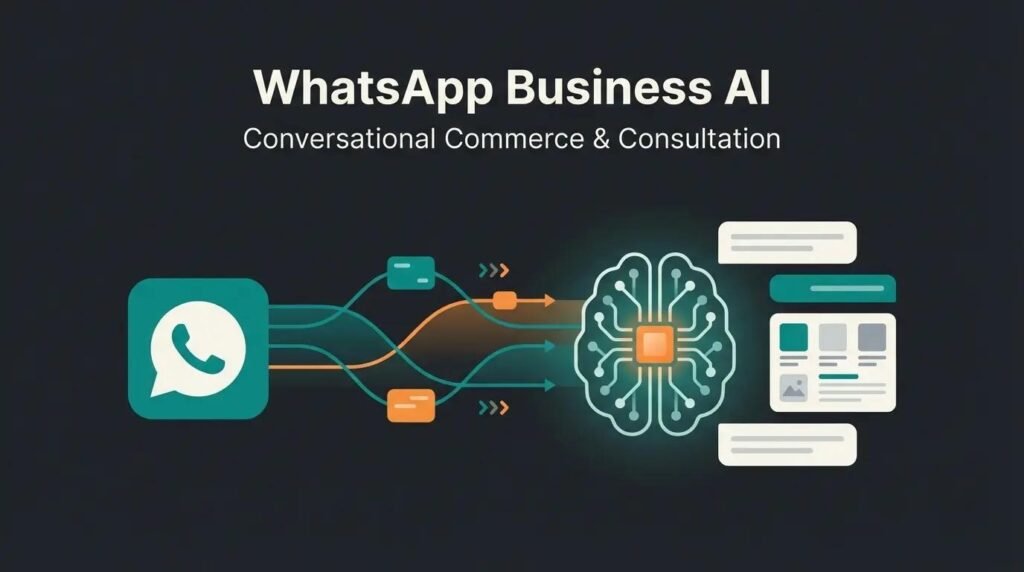
Businesses today need to respond to customers quickly, consistently, and professionally. Customers expect instant answers, easy communication, and convenient support without waiting for business hours. A WhatsApp Chatbot can help businesses meet these expectations by automating conversations, answering frequently asked questions, collecting customer information, generating leads, and guiding prospects toward the right products or services.
With WhatsApp being one of the most widely used messaging platforms, businesses can use chatbot automation to communicate with customers through a platform they already understand. Instead of depending completely on manual replies, a WhatsApp Chatbot can handle repetitive conversations automatically while your team focuses on more valuable tasks.
For businesses looking to improve customer communication, lead generation, sales follow-ups, and support, WhatsApp chatbot development can become an important part of a modern digital marketing strategy.
What Is a WhatsApp Chatbot?
A WhatsApp Chatbot is an automated conversational system that communicates with customers through WhatsApp. It can be designed to answer questions, provide information, collect leads, share product details, send updates, schedule appointments, and perform other predefined actions.
Unlike traditional customer communication, where every message requires a person to respond manually, chatbot automation can manage multiple conversations simultaneously.
For example, imagine a customer visiting your WhatsApp profile at 11 PM and asking about your services. Instead of waiting until the next morning, the chatbot can immediately provide service information, pricing details, FAQs, business hours, or a contact option.
A properly designed WhatsApp Chatbot can also use structured conversation flows. Customers can select options such as:
- View Services
- Get Pricing
- Book an Appointment
- Talk to an Expert
- Request a Callback
- Track an Order
- Get Support
This creates a simple and convenient customer journey.
1. WhatsApp Chatbot Helps Businesses Provide Instant Customer Support
One of the biggest advantages of a WhatsApp Chatbot is faster customer support.
Customers do not always contact businesses during working hours. They may ask questions early in the morning, late at night, or during weekends. If they have to wait several hours for a response, they may lose interest or choose another company.
A chatbot can provide immediate responses to common questions.
For example, an education company may receive questions such as:
- What courses do you offer?
- What is the fee?
- When does the next batch start?
- Is online learning available?
- How can I register?
Instead of having a team answer these questions repeatedly, a WhatsApp chatbot can provide automated responses.
This does not mean human employees become unnecessary. Instead, automation handles repetitive queries while complicated issues can be transferred to a human representative.
This combination of automation and human support can create a more efficient customer experience.
2. WhatsApp Chatbot Can Generate and Qualify Leads
Lead generation is another major application of a WhatsApp Chatbot.
Getting a potential customer to send a message is only the beginning. Businesses also need to understand whether that person is genuinely interested and what they are looking for.
A chatbot can ask qualifying questions automatically.
For example:
“Which service are you interested in?”
The customer may select:
- SEO
- Google Ads
- Social Media Marketing
- Website Development
- WhatsApp Marketing
The chatbot can then ask another question such as:
“What is your monthly marketing budget?”
Or:
“When would you like to start?”
The answers can be stored and forwarded to the sales team.
This makes the sales process more organised because sales representatives can receive useful information before contacting the prospect.
A WhatsApp chatbot can therefore work as an automated first-level sales assistant that collects relevant information and helps businesses identify high-intent leads.
3. WhatsApp Chatbot Makes WhatsApp Marketing More Effective
WhatsApp marketing can become much more powerful when combined with automation.
Traditional marketing often involves sending promotional messages and waiting for customers to respond. With a WhatsApp Chatbot, the interaction can become more conversational.
For example, a business may promote a new service with a message:
“Interested in improving your online visibility? Click below to learn more.”
Once the customer interacts with the message, the chatbot can provide additional information.
The customer could choose:
Learn More
Get a Quote
Speak to an Expert
Book a Consultation
This approach can turn a basic marketing campaign into an interactive customer journey.
However, businesses should always follow applicable WhatsApp policies and obtain appropriate customer consent for communications. Good automation is not about sending unlimited messages; it is about delivering relevant communication at the right stage of the customer journey.
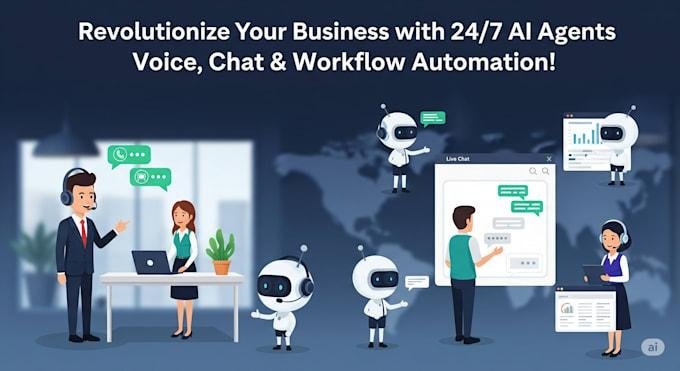
4. WhatsApp Chatbot Can Automate Appointment Booking
Businesses that depend on appointments can use a WhatsApp Chatbot to simplify scheduling.
Doctors, clinics, consultants, salons, fitness centres, educational institutes, real estate businesses, and professional service providers often receive appointment requests through phone calls and messages.
Manual scheduling can consume significant time.
A chatbot can guide customers through the process.
For example:
Bot: What would you like to do?
Customer: Book an appointment.
Bot: Please select a preferred date.
Customer: Friday.
Bot: Select a suitable time.
The chatbot can then collect the customer’s name and contact details and send the information to the business.
When integrated with suitable systems, chatbot automation can also help businesses manage appointment-related workflows and reminders.
The result is a smoother experience for both customers and employees.
5. WhatsApp Chatbot Supports Automated Lead Nurturing
Not every lead is ready to purchase immediately.
Some people need more information before making a decision. Others may compare different providers or simply forget to respond after their first enquiry.
This is where a WhatsApp Chatbot can support lead nurturing.
Instead of allowing a lead to disappear after the first conversation, businesses can create structured follow-up workflows.
For example:
Day 1: Send service information.
Day 3: Share an educational resource.
Day 5: Answer common objections.
Day 7: Invite the prospect to speak with a sales representative.
This process can be connected with CRM and marketing automation systems.
The purpose is not to overwhelm prospects with messages. Effective lead nurturing provides relevant information that helps customers make informed decisions.
When properly implemented, WhatsApp automation can keep potential customers engaged throughout the buying journey.
6. WhatsApp Chatbot Can Connect With CRM Systems
Customer information becomes much more valuable when it is organised properly.
A WhatsApp Chatbot can be integrated with a CRM system to help businesses manage conversations and customer data more efficiently.
For example, when a customer sends a message, the chatbot can collect:
- Name
- Phone number
- Service interest
- Location
- Budget
- Enquiry type
- Preferred callback time
This information can then be transferred into the company’s CRM workflow, depending on the technology and integration being used.
Sales teams can view customer information, follow up with prospects, and track the status of leads.
CRM integration can also help reduce repetitive data entry.
Instead of employees copying information from WhatsApp into spreadsheets or CRM systems manually, automation can connect different parts of the customer journey.
For companies handling a large number of enquiries, this can make lead management more structured and scalable.
7. WhatsApp Chatbot Helps Businesses Handle FAQs Automatically
Frequently asked questions consume a significant amount of customer support time.
Customers may repeatedly ask about:
- Pricing
- Services
- Delivery
- Business hours
- Locations
- Refund policies
- Product availability
- Registration procedures
- Appointment availability
A WhatsApp Chatbot can provide automated answers to many standard questions.
This creates two important benefits.
First, customers receive information faster.
Second, employees can spend more time handling complex conversations that require human judgement.
Businesses should regularly analyse the questions customers ask and update their chatbot flows accordingly.
The better the FAQ database becomes, the more useful the automation can be.
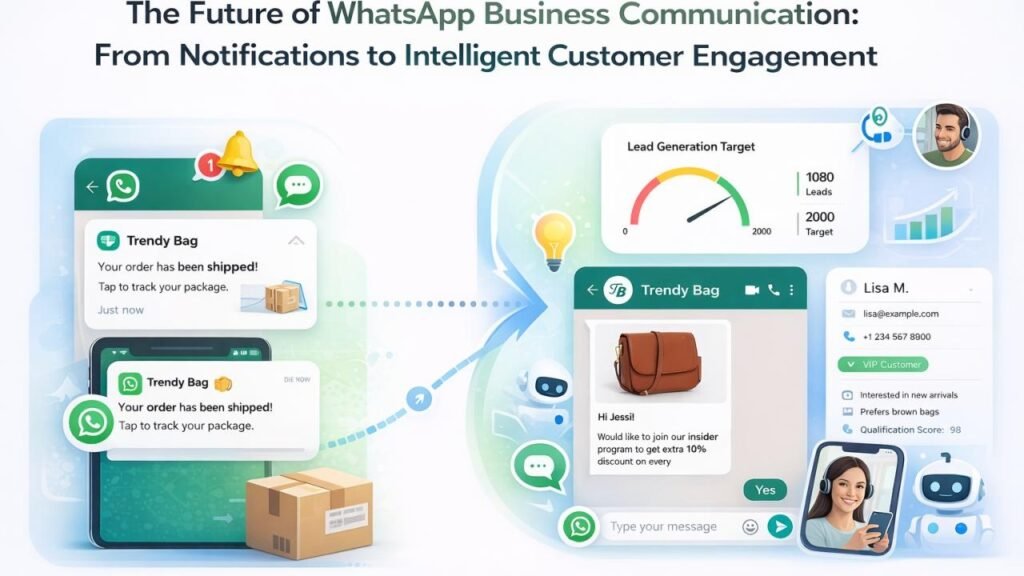
8. WhatsApp Chatbot Can Improve Customer Engagement
Modern customers prefer communication that is convenient and interactive.
A WhatsApp Chatbot can make conversations more engaging by allowing customers to interact using buttons, menus, quick replies, links, and structured options, depending on the implementation.
Instead of asking customers to type long messages, businesses can guide them through simple choices.
For example:
What are you looking for?
- Website Development
- SEO Services
- Google Ads
- Social Media Marketing
- WhatsApp Automation
The customer simply chooses an option.
This reduces friction and makes the interaction easier, particularly for users who do not want to type detailed messages.
Businesses can also use chatbot conversations to understand customer preferences and identify common customer needs.
The information gathered can later support marketing, sales, and customer service improvements.
9. WhatsApp Chatbot Can Reduce Repetitive Work
Employees often spend considerable time answering the same questions, sending basic information, collecting details, and performing repetitive follow-ups.
A WhatsApp Chatbot can automate many of these routine tasks.
For example, a company receiving hundreds of monthly enquiries may have a support employee answering:
“What are your services?”
“Where are you located?”
“How can I book a consultation?”
“What are your working hours?”
Automation can handle these standard questions while employees focus on more complicated tasks.
This can improve operational efficiency without compromising the availability of customer communication.
The objective of chatbot development should not simply be to automate everything. The smarter approach is to identify repetitive tasks and automate those while maintaining a clear path to human assistance.
10. WhatsApp Chatbot Can Support Sales and Conversions
A business may generate hundreds of enquiries but still struggle with conversions if prospects are not guided properly.
A WhatsApp Chatbot can help create a structured path from enquiry to action.
For example:
Customer: I want to know about SEO.
Bot: We provide Local SEO, Technical SEO, On-Page SEO, Off-Page SEO and Google Business Profile Optimization.
Bot: What would you like to do?
Options:
Get a Quote | Talk to Expert | View Services
The chatbot can then direct the customer toward the appropriate next step.
When the customer is ready, the conversation can be transferred to a sales representative.
This makes the chatbot a bridge between marketing and sales.
Businesses can also connect chatbot conversations with lead generation campaigns, landing pages, advertisements, and CRM systems to create a more connected customer journey.
11. WhatsApp Chatbot Can Be Integrated With Marketing Automation
Marketing automation becomes more useful when different channels work together.
A WhatsApp Chatbot can become one part of a broader automation ecosystem involving:
- Website forms
- CRM systems
- Email marketing
- Google Ads
- Meta Ads
- SMS marketing
- Lead management
- Analytics
- Customer databases
For example, a customer may submit a lead form through an advertisement.
The lead can enter a CRM system and subsequently receive an appropriate WhatsApp communication workflow.
The sales team can then be notified when the customer shows high purchase intent.
This type of marketing automation reduces the need for manual coordination between different platforms.
It can also help businesses create more consistent customer journeys.
For companies investing in digital marketing, connecting advertising, lead generation, CRM, and WhatsApp automation can create a more organised system for managing prospects.
12. WhatsApp Chatbot Can Scale Business Communication
As a business grows, the number of customer conversations usually grows as well.
A small team may be able to manually respond to 20 enquiries per day. But handling hundreds of conversations can become challenging.
A WhatsApp Chatbot provides a way to scale initial customer communication.
It can handle multiple conversations simultaneously, provide standard information, collect customer details, and direct enquiries toward the appropriate department or employee.
This can be especially useful for:
- E-commerce businesses
- Clinics
- Educational institutes
- Real estate companies
- Travel businesses
- Restaurants
- Service providers
- Digital marketing agencies
- Retail brands
- Professional consultants
The exact chatbot workflow should depend on the business model and customer journey.
How Does WhatsApp Chatbot Development Work?
WhatsApp chatbot development starts by understanding the business’s communication requirements.
The first step is identifying the most common customer queries and repetitive tasks.
Next, the conversation flow is designed.
For example:
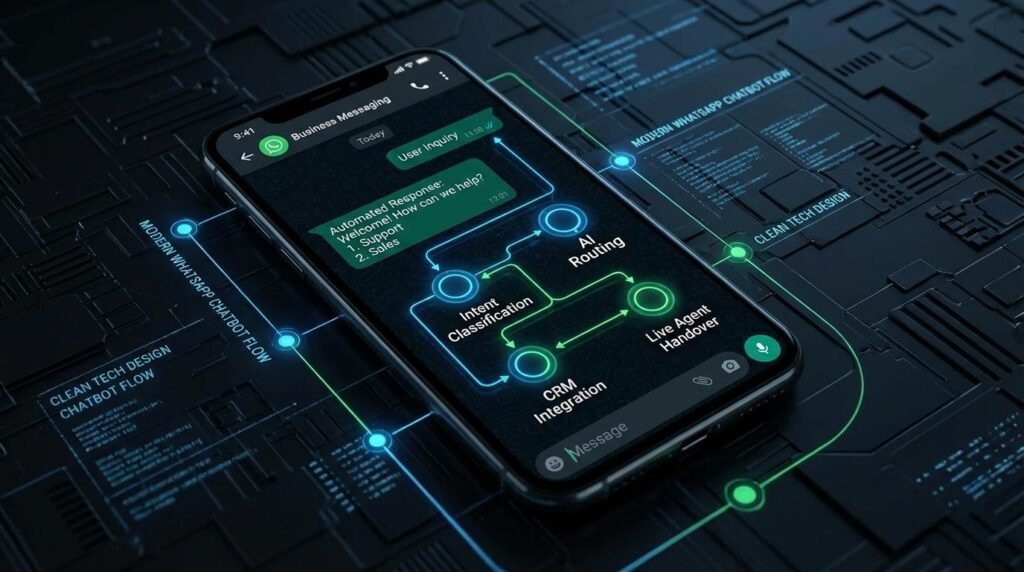
Welcome Message → Select Requirement → Ask Questions → Provide Information → Capture Lead → Notify Team → Human Handover
The chatbot can then be connected to relevant business systems.
Depending on the requirements, integrations may include CRM platforms, websites, payment systems, appointment systems, databases, email platforms, or other business applications.
A successful WhatsApp chatbot should be simple for customers to use.
Overly complicated conversation flows can frustrate users. The objective should always be to help customers reach the information or action they need with minimal effort.
WhatsApp Chatbot vs Traditional Customer Support
Traditional customer support depends heavily on employees responding to every customer individually.
A chatbot introduces automation into the initial stages of communication.
| Traditional Support | WhatsApp Chatbot |
|---|---|
| Manual responses | Automated responses |
| Limited by staff availability | Can operate continuously |
| Repetitive work for employees | Automates routine queries |
| Manual lead collection | Automated data collection |
| Slower response during busy periods | Immediate initial response |
| Difficult to scale manually | Easier to scale communication |
However, chatbot automation should not completely replace human support.
Complex complaints, sensitive situations, negotiations, and customised requirements often require a real person.
The best approach is usually a combination of automated assistance and human support.
Why Businesses Need Professional WhatsApp Chatbot Development
Setting up a basic automated response is different from building a complete business automation system.
Professional WhatsApp Chatbot Development involves understanding customer journeys, designing conversation flows, integrating business systems, organising lead data, creating appropriate automation, and monitoring performance.
A professionally developed system can be designed around specific business goals such as:
- More qualified leads
- Faster customer support
- Better follow-ups
- Higher engagement
- Appointment automation
- CRM integration
- Sales assistance
- Customer retention
- Reduced repetitive work
The chatbot should also be reviewed regularly.
Customer behaviour changes, products change, services change, and frequently asked questions evolve. Updating chatbot flows ensures that the system continues to provide relevant information.
How to Choose the Right WhatsApp Chatbot Solution
Before investing in chatbot development, businesses should identify their primary objective.
Ask questions such as:
What problem should the chatbot solve?
Is the goal customer support, lead generation, appointment booking, sales, marketing, or a combination of these?
What questions do customers ask most often?
This information can help determine the initial conversation flows.
Which systems need integration?
If the business already uses CRM, email marketing, website forms, appointment software, or other platforms, integration requirements should be considered.
When should a human take over?
A clear human handover process is essential for complicated customer enquiries.
How will performance be measured?
Businesses can track metrics such as conversations, leads collected, response rates, qualified leads, appointments, conversions, and customer engagement.
These measurements can help identify what is working and what needs improvement.
WhatsApp Chatbot for Digital Marketing Agencies
Digital marketing agencies can also use chatbot automation to improve their own lead generation and client communication.
For example, a marketing agency can run a Meta Ads campaign offering a free consultation.
Instead of sending every visitor to a generic landing page, the campaign can encourage users to begin a WhatsApp conversation.
The WhatsApp Chatbot can ask:
“What service are you interested in?”
The customer selects:
SEO | Google Ads | Website | Social Media | WhatsApp Automation
The chatbot then collects relevant information.
This creates a more structured lead generation funnel.
Agencies can also connect WhatsApp chatbot development with CRM integration, lead nurturing, email marketing automation, and performance tracking.
Benefits of WhatsApp Chatbot for Small Businesses
Small businesses often have limited staff and resources.
A WhatsApp Chatbot can help them maintain faster communication without requiring a large customer support team.
Some key benefits include:
- Faster responses
- Automated FAQs
- Better lead collection
- Reduced repetitive tasks
- Improved follow-up
- Easier appointment management
- Better customer engagement
- Organised customer information
- Scalable communication
- Integration with marketing workflows
For a growing business, these benefits can help create a more professional customer experience.
Benefits of WhatsApp Chatbot for Growing Businesses
Larger organisations may receive thousands of customer conversations across different departments.
In such situations, automation can help categorise enquiries and route them appropriately.
For example:
Sales Enquiry → Sales Team
Technical Issue → Support Team
Appointment Request → Booking Team
Billing Question → Accounts Team
This can make customer communication more organised.
With appropriate CRM integration, businesses can also maintain customer records and track conversations throughout the customer lifecycle.
The Future of WhatsApp Chatbot and AI Automation
Chatbot technology is moving beyond simple question-and-answer systems.
AI-powered chatbots can potentially understand more natural customer questions and provide more context-aware responses when properly configured.
Businesses are increasingly exploring AI chatbot development, marketing automation, CRM integration, automated lead nurturing, and conversational commerce.
The future of business communication is likely to involve a combination of automation and human expertise.
Automation can handle speed, repetitive tasks, information retrieval, and initial qualification.
Humans can focus on strategy, complex problems, relationships, negotiations, and high-value customers.
This combination can create an efficient and scalable communication model.
Why Work With Saurabh Kumar for Digital Marketing and Automation?
Saurabh Kumar brings 15+ years of experience in digital marketing and provides digital solutions designed around business growth and online customer journeys.
The services cover website and app development, SEO, social media marketing, paid advertising, automation, communication solutions, creative services, video production, content marketing, analytics, reporting, and online reputation management.
For businesses exploring WhatsApp Chatbot Development, the broader automation ecosystem can also include WhatsApp Marketing, Bulk SMS Marketing, IVR and promotional voice calls, AI Chatbot Development, website live chat integration, CRM integration, email marketing automation, and lead nurturing automation.
A connected approach can help businesses move beyond individual marketing activities and build a more structured digital customer journey.

Conclusion
A WhatsApp Chatbot can help businesses improve communication, automate repetitive conversations, capture leads, answer FAQs, support sales, manage follow-ups, and connect customer interactions with broader marketing systems.
From small businesses to growing companies, chatbot automation can make customer communication faster and more organised.
However, the real value does not come from automation alone. A successful chatbot needs a well-planned conversation flow, relevant information, appropriate integrations, clear human handover, and continuous optimisation.
Businesses that combine WhatsApp automation with CRM integration, lead nurturing, digital marketing, and human support can create a stronger customer experience while reducing repetitive operational work.
If your business is looking to improve lead generation, customer support, sales follow-ups, or communication workflows, WhatsApp Chatbot Development can be an important step toward building a more efficient digital business ecosystem.
About Saurabh Kumar
Saurabh Kumar is a digital marketing professional with 15+ years of experience in digital marketing and business growth solutions.
Official Address:
S15-00709, Vaidehi Niwas, Bhairomunna Link Road
Sahnewal, Ludhiana, Punjab – 141120
Contact: +91 76966 77728
Digital Marketing India – Services
Website & App Development: Business Websites, E-Commerce Websites, Custom Web Applications, Mobile Apps, Landing Pages, Website Maintenance & Support.
SEO Services: Local SEO, On-Page SEO, Off-Page SEO, Technical SEO, E-Commerce SEO, Google Business Profile Optimization, SEO Audit & Competitor Analysis.
Social Media Marketing: Facebook Marketing, Instagram Marketing, LinkedIn Marketing, YouTube Marketing, Social Media Management, Content Creation & Strategy.
Paid Advertising: Meta Ads, Google Ads, YouTube Ads, LinkedIn Ads, Remarketing and Lead Generation Campaigns.
Automation & Communication: WhatsApp Marketing, Bulk SMS, IVR & Promotional Calls, WhatsApp Chatbot Development, AI Chatbot Development, Website Live Chat, Marketing Automation, CRM Integration, Email Marketing Automation and Lead Nurturing.
Creative Services: Graphic Design, Social Media Creatives, Logo Design, Banners, Brochures and Brand Identity.
Video Production: Video Editing, Reels Editing, YouTube Videos, Corporate Videos, Motion Graphics and Promotional Videos.
Content Marketing: Content Writing, Blog Writing, Website Content, SEO Content and Ad Copywriting.
Analytics & Reporting: Google Analytics Setup, Conversion Tracking, Performance Reports and ROI Analysis.
Online Reputation Management: Google Review Management, Brand Monitoring and Online Reputation Building.